Why is Safeguarding Important in Health and Social Care?
Written by: BST Editorial Team
Reading Time: 8 minutes
Posted on:
Why is safeguarding important in health and social care? It is crucial in every sector, particularly in health and social care, to protect vulnerable individuals.
Table of Contents
The most common type of risk due to the lack of adequate safeguarding was neglect and acts of omission (32% of risks). Another study found neglect to be the most prevalent form of abuse reported by the staff in care homes.
Absence of effective safeguarding is a major concern in the UK. This leads to a key element of health and safety: why is safeguarding important in health and social care? The final advantage that comes as a result of protection is that we are protecting vulnerable people. It secures the kids, youth and vulnerable adults against any abuse, neglect or any form of harm.
With our detailed guide, you will obtain a general idea of safeguarding, the reasons why we must safeguard in health and social care and much more essential to health and safety.
What is Safeguarding in Health and Social Care?
Safeguarding in health and social care is the practice of protecting vulnerable individuals from abuse, neglect, or harm. Many work industries include safeguarding policies in their workplaces to protect the health and safety of people.
In the UK, establishing adequate care systems in schools, care homes, health and social care services, and organisations that work for children and vulnerable individuals is an inherent aspect of safeguarding.
What is a Safeguarding Policy?
A safeguarding policy works towards ensuring the human rights and well-being of vulnerable individuals. It is a document that guarantees an organisation’s dedication to protecting children, young people, and vulnerable adults.
It involves the main concepts of protection, comprehensive safety plans and procedures, clear guidelines on compliance with health and safety in the UK, etc.
It is used to prevent physical, verbal, or emotional maltreatment and neglect and enacts effective measures to address the needs and concerns of the vulnerable individuals.
What are the Safeguarding Acts in the UK?
The UK Safeguarding Acts form a considerable portion of the safeguarding policy. It not only saves vulnerable people, but it also keeps inadequate individuals away from working with children and vulnerable people.
Let’s have a look at some of the key safeguarding acts that work towards ensuring the overall well-being of people across the UK!
The Children Act, 1989
The Human Rights Act, 1998
The Children Act, 2004
The Safeguarding Vulnerable Groups Act, 2006
The Equality Act, 2010
The Care Act, 2014, for adults
The Children and Social Work Act, 2017
What are the Risks of Inadequate Safeguarding in Health and Social Care?
Poor protection in health and social care causes many issues, and the loss of vulnerable individuals is the primary issue. Other disastrous issues are legal, economic, and reputational consequences for organisations.
Abuse and Neglect
Weak procedures stand a better chance of preventing different forms of abuse, such as physical, sexual, psychological, financial, discriminatory, and organisational abuse, and neglect.
Physical Harm and Death
The first type has the greatest consequences, as it may result in a higher risk of harm, serious injury, and even death caused by medical errors, untreated health issues, or deliberate injuries by the perpetrators.
Psychological and Emotional Trauma
Due to the emotional effect of abuse or neglect, emotional distress leads to long-term psychological health issues, such as anxiety, depression, lack of confidence, and suicidal ideation.
Loss of Dignity and Autonomy
Ineffective protection might result in people being treated without compassion, their decisions disregarded, and losing their dignity and control over their lives.
Social Isolation
Abusers can attempt to isolate victims, and systemic failures can make it hard to access support systems and services required by individuals.
Legal Impact and Penalties
It is the law for health and social care organisations to protect vulnerable individuals. Failure to do so would lead to huge fines, civil suits, criminal penalties, and even jail terms for concerned individuals.
Reputational Damage
High-profile experiences of neglect or abuse might draw a lot of negative attention from the media, causing the loss of public trust, a decline in client intake, and the inability to keep qualified personnel.
Staff Issues
Lack of proper protection may lead to low morale among staff, high staff turnover, and low productivity. Employees who feel unsupported and untrained to manage safeguarding issues are expected to be stressed and burn out.
Poor Care Culture
The poor culture of safeguarding will, most times, indicate the existence of certain systemic factors in an organisation, which can also include a lack of training, inadequate staffing, and an inability to make crucial decisions pertaining to safety.
Why is Safeguarding Important in Health and Social Care?
The first and foremost reason to have safeguarding in health and social care is to prevent harm, abuse, and neglect. It protects and secures a safe environment for vulnerable people, including children and at-risk adults.
Good protection also establishes credibility with the vulnerable people, meets legal requirements, and ensures their human rights.
Let’s understand the importance of adequate safeguarding in health and social care!
Safeguards vulnerable individuals
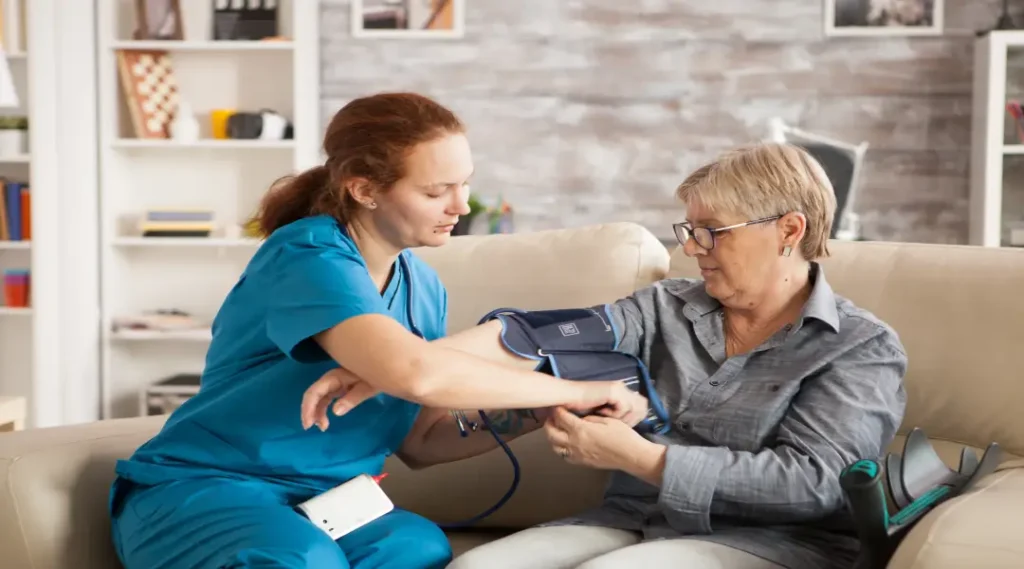
Many individuals within a health and social care facility are vulnerable due to old age, disability or health conditions and are prone to abuse or neglect. With adequate protection, the vulnerable ones will not be left alone.
Fosters dignity and respect
It is inherent to provide people with respect and guarantee their right to live a harmless, abuse-free, and neglect-free life. It ensures their overall well-being by making them live in safe and enabling conditions.
Empowers vulnerable individuals
Safeguarding focuses on ensuring that people have the freedom to make their own decisions in their lives and that they are empowered to prosper.
Delivers legal and ethical compliance
It assists organisations and professionals in achieving their legal and ethical responsibility in safeguarding people.
Establishes trust in the community
By taking care of safety, safeguarding ensures and sustains the faith of the patients and the general population in the health and social care services.
Empowers employees
It teaches employees to be aware of the indicators of injury and the proper steps to undertake, including reporting and taking the necessary action to preserve the safety of a person.
How Can We Implement Safeguarding Principles Effectively?
The six major principles of protection are based on the Care Act 2014 of the UK. It helps professionals and care workers to take care of vulnerable people by keeping them safe and well. They include empowerment, prevention, proportionality, protection, partnership, and accountability.
Let’s explore the ways to effectively implement safeguarding principles in health and social care!
Formulate clear policies and procedures
Design an effective, written statement of safeguarding policy and elaborate procedures on how your organisation will address matters.
Provide adequate and essential training
All employees and volunteers have to be offered the existing and job-specific safeguarding training. It will make them familiar with the signs of abuse and knowledgeable of both internal and external reporting guidelines.
Introduce safer recruitment processes
Adopt strict recruitment practices, such as proper background checks (as in the UK, DBS checks), to assist in avoiding the employment of the wrong individuals with vulnerable people.
Create effective reporting systems
Make sure that everyone understands how to identify, act on, record, and report a safeguarding concern. There must also be confidential channels of reporting, like a whistleblowing policy.
Monitor and Review
Regularly review the effectiveness of the safeguarding arrangements, policies, and procedures. It will help identify any gaps or lessons learned as a result of any incident. It will also ensure the legal requirements as well as best practices.
Frequently Asked Questions (FAQs)
Who is responsible for safeguarding?
Individuals who are competent, empathetic, and adequate in protecting the well-being of vulnerable people are responsible for safeguarding roles. This includes healthcare professionals, social care workers, support workers, victim advocates, carers in care homes, and many more.
What is the most important role in safeguarding?
While it is a shared responsibility of everyone to ensure the well-being of vulnerable individuals, specific roles in safeguarding are the most important. For example, the Designated Safeguarding Lead (DSL) is crucial for managing procedures and coordinating responses in safeguarding.
What are the two primary safeguarding methods?
The two primary safeguarding methods are firm guards and protection devices. Firm and adequate guards are used to block danger areas. Meanwhile, the safeguarding devices are mechanisms that avoid unintentional contact with the elements of danger. These two safeguarding methods are also effective.
Conclusion
An in-depth understanding of the definition of safeguarding in health and social care, along with its various nuances, will help create efficient, safe, and respectful care systems for vulnerable people.
Such fundamental questions as ‘Why is safeguarding important in health and social care?’ are emphasised. The need to comprehend the importance of safeguarding is a legal and obligatory requirement for any person in a safeguarding position.
As a community as a whole, we need to understand how to protect the vulnerable and fulfil our responsibilities as responsible citizens in order to guarantee the welfare of vulnerable people.
BST Editorial Team
BST Editorial Team is a dedicated group of UK-focused training professionals who develop and review courses in Health and Social Care, Safeguarding, Health and Safety, and Food Hygiene. All content is created and regularly updated to reflect current UK regulations and industry best practices, ensuring accuracy, reliability, and professional relevance for learners.