Learn what is safeguarding in schools, key legislation, staff roles, training, and best practices to protect children and promote their well-being.
Table of Contents
A safe school is not built by walls or gates; it is built by people who choose to protect children every single day.Keeping children secure is more than a promise. It is a civilisation that shapes everything a school does. Every step matters. Every problem matters. Early support can save a life.
Parents, instructors, and school management all want children to grow up secure, pleased, and secure. Yet safeguarding is an extended and complex area. It is not merely about keeping children safe from physical harm. It also concerns emotional well-being, mental health, and online safety. And the help youngsters need to thrive.
So, What is Safeguarding in Schools? This guide illustrates it in easy phrases. It sets out the laws, roles, strategies, and best practices that make safeguarding crucial and useful. Whether you are an instructor, parent, governor, or student, understanding safeguarding allows everyone to play a part in maintaining child safety.
What is Safeguarding in Schools?
Safeguarding in academies means guarding youngsters from injury and ensuring their overall interests. It covers every aspect of school life, from the classroom to the playground and online spaces. Academies must create settings where youngsters feel secure to know and speak up. Safety is both physical and inspirational.
Good safeguarding safeguards youngsters from abuse, carelessness, bullying, and exploitation. It also helps mental health and physical well-being. Schools operate to avert crises before they develop. The earlier step usually makes the most notable difference.
When an individual asks what is safeguarding in schools implies, the answer is easy. It is about keeping youngsters secure at all times. It entitles them to grow, know, and develop with certainty. Safeguarding is the basis of a healthy academy community.
Difference Between Safeguarding and Child Protection
Individuals frequently use the phrases “safeguarding” and “child protection” as if they indicate the same thing. But they do not. The difference between safeguarding and child protection is:
Safeguarding is the broader phrase. It comprises all steps taken to safeguard youngsters’ interests and avert injury.
Child protection or safety is one aspect of safeguarding. It concentrates on cases where a child is suffering, or likely to suffer, notable damage. These matters may concern abuse, extreme neglect, or exploitation. Child safety methods are legal and usually involve external agencies.
Understanding the difference matters. Safeguarding is aggressive and continuous. Child security is reactive and compulsory. Both are crucial, but safeguarding surrounds the whole concept of keeping youngsters secure.
Why Safeguarding is a Whole-School Responsibility?
Safeguarding is not the responsibility of a single individual. It is the commitment of every adult in the academy. This includes instructors, support team, cleaners, catering attendants, office crews, governors, recruits, and guests.
Every adult must remain cautious of signs of injury. They must learn how to report problems and obey school guidelines at all times. A little problem today may avert a severe injury in the future.
Safeguarding functions best when it becomes part of everyday academy life. It must be visual in manners, policies, team training, leadership judgments, and classroom culture.
Key Safeguarding Legislation for Schools
Schools in England follow clear laws and guidance. These rules explain duties and set high standards. They help schools protect children consistently. Leaders must ensure policies reflect these laws.
Good knowledge of the law helps schools act with confidence. It also prepares them for inspection. Powerful observance supports robust safeguarding.
1. Children Act 1989 and Children Act 2004
The Children Act 1989 and 2004 prioritise a child’s welfare in England, mandating regional administrations and academies to cooperate to safeguard children. The 2004 Act enhanced multi-agency collaboration to address communication gaps identified in severe case checks.
2. Education Act 2002 (Sections 175 and 157)
The Education Act 2002 directs academies to protect the welfare of all types of schools. They must have precise guidelines, a qualified team, and supervisors must ensure compliance. Governors are accountable for effective safeguarding measures, making it a central management duty.
3. Keeping Children Safe in Education (KCSIE)
KCSIE is revised yearly and summarises school duties for protecting students. All attendants must read Part 1, while supervisors and DSLs need in-depth details. It covers safer recruitment, crisis reporting, online protection, peer-on-peer abuse, and mandates that academies train their teams on these fundamental issues.
4. Working Together to Safeguard Children
“Working Together to Safeguard Children” summarises how agencies cooperate on integrated planning and earlier assistance, highlighting information-sharing among academies, social care, police, and health services. It promotes robust regional associations and a premature step to avert injury, emphasising academies’ functions in raising problems.
5. Ofsted Safeguarding Expectations
Ofsted assesses school protection by analysing guidelines, evaluating personnel’s knowledge, and interviewing students. Weak safeguarding methods reduce overall quality, and therefore, supervisors should use effective tactics.
6. Prevent Duty and Online Safety Obligations
The Prevent Duty has made it a requirement for the academies to reduce the chances of radicalisation. They should foster British values and critical thinking. Moreover, they focus on online safety, checking internet use and educating students on how to stay safe online.
7. Data Protection and Information Sharing (GDPR)
The UK GDPR establishes regulations for the treatment of personal information. Academies should keep safeguarding records in a secure place and make them accessible only to those who require them. If a child is endangered, he/she is still required to share the necessary information, and this is permitted under the rules.
Who is Responsible for Safeguarding in Schools?
Safeguarding is a shared commitment within the school neighbourhood. Precise functions ensure problems are addressed promptly. Administrators provide leadership, teams respond to observations, governors survey compliance, and parents support communication. Everyone plays a role in keeping kids secure.
Each safeguarding function is interconnected. Students should feel secure enough to speak up; the team must know how to react; and supervisors must maintain constant methods. Effective safeguarding depends on shared commitments and open contact, with student welfare prioritised in every conclusion.
Headteachers and School Leaders
Headteachers lead safeguarding, ensuring precise guidelines, helping the DSL, and encouraging caution. Leaders must provide frequent team training, examine threats, and maintain high behavioural expectations.
The Designated Safeguarding Lead (DSL)
The DSL directs safeguarding measures, addresses problems, contacts agencies, and provides team help and training. They also survey practices and threats.
Teachers and Classroom Staff
Teachers witness shifts in students’ attitudes and manners, answer calmly to exposures, and report problems instantly. Trusting relationships with the team motivate students to speak up, as little signs can be influential.
Governors and Proprietors
Governors ensure safeguarding meets lawful benchmarks by checking guidelines, training, and safer recruitment. They ask difficult questions and strengthen accountability without managing patients.
Support Staff, Volunteers, and Visitors
All grown-ups in schools, including attendants and recruits, must observe safeguarding practices. Even little problems should be reported. Guests must sign in, and contractors should be managed to decrease danger.
Types of Harm Schools Must Protect Children From
To understand child safety in education, we must identify the different threats youngsters face. Protection encompasses various threats that can affect a child’s security, health, and growth. Academies need to stay alert to operate earlier and respond appropriately.
Each state of injury relates to keeping youngsters secure and supporting their well-being. Earlier threat identification and the proper steps allow academies to create safe environments where students feel loved and can succeed.
Physical abuse
Physical abuse is deliberate injury to a child’s body, like striking or burning. Indications include bruises and anxiety about going home. Report problems to the Designated Safeguarding Lead (DSL).
Emotional abuse
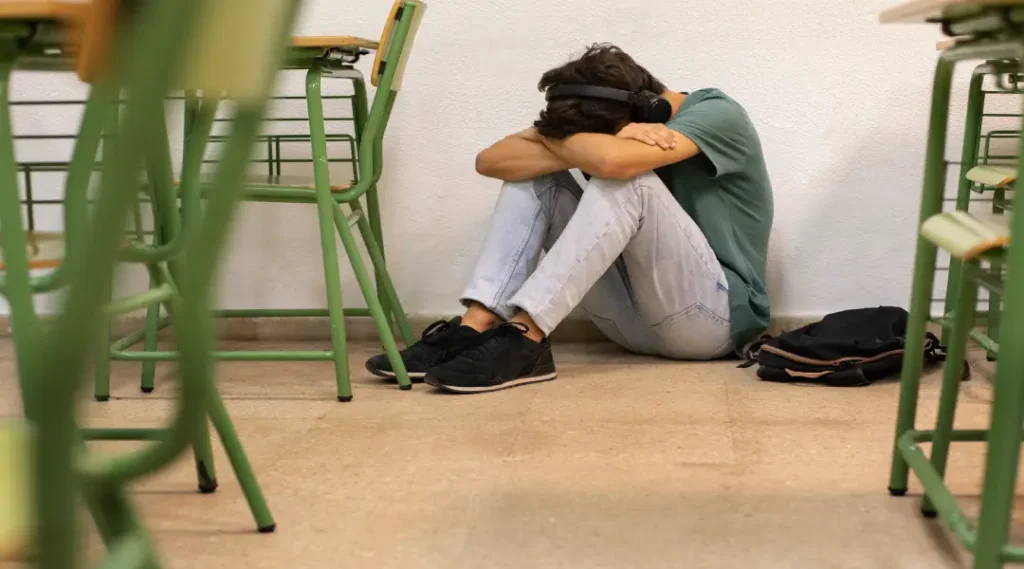
Emotional abuse concerns objection, shame, and oppression, impacting a child’s beliefs and mental health. Signs in academies include retreat, fear, and low self-esteem, which encourage the team to determine underlying problems.
Sexual abuse and exploitation
Sexual abuse concerns forcing a kid into sexual activity, usually via grooming. Academies are crucial for prevention by enlightening individuals about approval and healthy relationships. The team must manage revelations sensitively, and safeguarding methods are vital for a helpful reply.
Neglect
Neglect is when a kid’s primary needs, food, clothing, warmth, supervision, or medical care, are unmet, including emotional carelessness. Signs in the academy may include inadequate hygiene, thirst, fatigue, or scarcities. Recognising neglect is essential for safeguarding and earlier intervention.
Bullying and cyberbullying
Bullying includes physical, verbal, and social conditions, as well as cyberbullying online. Both can cause emotional damage. Academies need to enforce anti-bullying guidelines and foster a secure and respectful setting.
Online abuse
Youngsters spend notable time online, encountering threats such as grooming and exploitation. Academies enforce digital safeguarding criteria, but pupils must also know how to identify risks and seek help.
Child illegal exploitation (including county lines)
Unlawful exploitation uses youngsters for illicit activities like drug trafficking. Signs include sudden capital, unknown companions, secrecy, or unexplained journey. Academies must cooperate with other agencies to protect pupils from organised offence.
Radicalisation and extremism
Radicalisation occurs when a kid adopts intense faiths, potentially endorsing brutality. Academies must stop this by fostering essential thought and British values, while determining manners under the Prevent duty.
Mental health threats and self-harm
Mental health is vital for safeguarding children. Problems like fear, sadness, and self-harm need help. Academies should provide religious care and counselling, and the team must take mental health problems thoughtfully.
Peer-on-peer abuse
Peer-on-peer abuse includes bullying and sexual harassment among pupils, both in-person and online. Academies must identify this conduct, enforce guidelines to safeguard sufferers, and handle it appropriately.
Safeguarding Procedures in Schools
Understanding child welfare mandates in education mandates understanding functional procedures. Written guidelines alone aren’t sufficient; precise strategies are essential. Schools must obey a structured method to manage concerns promptly and legally, prioritising the child’s best interests.
Robust methods assure responsibility and deter ignored problems and unsupported kids. When attendants understand reporting and escalation procedures, protective methods function effectively.
Recognising Early Warning Signs
Safeguarding begins with attention. Attendants should identify cautioning signs of injury, such as physical injuries, emotional transitions, and behavioural matters. Earlier detection is essential for timely intervention.
Recording and Storing Information
Proper record-keeping is crucial for safeguarding. Document concerns with specific dates, duration, and points. Securely store records to safeguard sensitive data and ensure the official team has the necessary permissions, assisting judgment-making and pattern identification.
Escalating Concerns: Children’s Social Care
If the DSL suspects a child is at significant risk, they must refer to children’s social care, mainly if internal aid isn’t sufficient. Timely and urgent referrals can avert further damage and may need the involvement of statutory agencies.
When Schools Contact the Police
If a child is in imminent threat or an offence may have happened, contact the police straight away. The child’s security is the focus, and contacting the police is about safety, not blame.
Early Help and Multi-Agency Working (MASH)
Not all safeguarding problems require direct intervention; earlier aid can avert escalation via Multi-Agency Safeguarding Hubs (MASH).
Creating a Safe School Environment
Child safety in education focuses on averting injury and forming a safe environment that fosters trust and knowledge. Robust methods and precise limitations are vital for everyday pupil safety.
A safe setting requires careful recruitment, clear conduct criteria, consistent care, and adequate safety standards to foster student welfare and prioritise everyday protection.
Safer Recruitment
Safeguarding starts before attendants enter the classroom, with rigorous recruitment processes such as enhanced DBS checks and reference assessments. A qualified team member should supervise the method to lower the risk of abuse in academies.
Staff Code of Conduct
Experienced limitations safeguard students and the team. The code of conduct outlines desired behaviours, including speech and social media usage. Attendants should avoid bias and secret messaging to guarantee safeguarding and professionalism.
Visitors and Contractors
Visitors and contractors in academies must sign in, wear ID badges, and be watched at all times. Strange adults cannot have unsupervised access to pupils. Influential visitor administration is vital for safety.
Premises Safety and Supervision
Physical protection in academies involves routine checks, threat identification through hazard reviews, and care during breaks and shifts to prevent dangerous conduct and respond fast to happenings.
Behaviour Policies and Anti-Bullying Measures
Precise behaviour policies promote esteem and righteousness. Constant enforcement creates belief. Potent anti-bullying steps are vital, mandating quick academy responses to reports. Fostering compassion and inclusion safeguards vulnerable students.
Security and Risk Assessments
School security includes supervised entrances, guest records, and CCTV. Risk assessments should cover emergency methods, fire protection, lockdown strategies, and neighbourhood vulnerabilities.
Safeguarding Training Requirements for Schools
Robust safeguarding counts on knowledge and trust. It is not enough to have only rules. Employees need to know their job, what signs to look out for when an injury occurs, and that they will be doing it. Training ensures that everyone in the academy reacts in the same way and at the same time.
On-the-job training instils a culture of care. It keeps life-protecting habits alive in everyday school life, as opposed to being a one-time.
All Staff Must Receive Safeguarding Training Upon Joining the School
Induction requires all new employees to complete safeguarding training, which includes important policies, an understanding of the signs of abuse, and an understanding of their duty prior to working with children.
All Staff Must Complete Annual Updates
Employees require annual protection updates to respond to evolving threats. The refresher sessions and policy briefings can be included as updates to keep practical knowledge current and prevent complacency.
DSLs and Deputy DSLs Must Complete Specialist Training Every Two Years
Referrals and staff direction are done by the Designated Safeguarding Lead (DSL) and the deputy DSL. They should renew their training every 2 years of service to remain abreast of legal issues and complex risks.
Governors, Recruits, and New Entourage Must Also Acquire Training
Protection is not confined to classroom staff alone; governors, trustees, and any other adults involved with pupils must also be trained on policies and statutory requirements. This is to be achieved by a collective approach so that safeguarding is shared.
Safeguarding Children With Additional Needs
Some children are more susceptible to harm due to personal circumstances. Schools need to identify these pupils early and provide targeted support. This includes being close, monitoring, and communicating clearly to keep them safe and well.
Protecting the vulnerable pupils requires awareness, patience and an individual approach. The following groups often require additional safeguarding attention.
Pupils with SEND
Children with SEN may find it difficult to communicate and be more vulnerable. Staff should be on the alert for signs of distress, work with safeguarding and SEN, and ensure they are getting the support they need.
Looked-After Children (LAC)
Looked-after children often have trauma, and their behaviour and trust are affected. Schools have to provide pastoral care, have a routine and check on progress. A dedicated teacher should be assigned to help them. Working with social workers and carers is very important to keep them stable and well.
Pupils with Mental Health Needs
Mental health issues make students more sensitive, and early intervention and continuous help are essential. Young carers are worn out, and poor and conflict-affected pupils are affected. Schools should be modifying their support, conducting regular check-ins, creating safe spaces, and keeping families updated.
Working With Parents and Carers
Parents and carers are key partners in keeping children safe. Strong relationships between home and school help provide consistency, foster trust, and support at an early stage, when concerns are identified. Children are best protected when the adults around them talk with each other and take action to protect them.
Schools need to cultivate residential, transparent partnerships with families. Doing so enhances protection systems and ensures children are supported appropriately both at home and at school.
Clear Communication
Clear communication builds trust. Schools should outline policies and safety measures to parents through handbooks and newsletters, encouraging early reporting of concerns and prioritising child safety.
Sharing Information
Schools should notify parents of problems such as attendance or behaviour so they don’t get worse. Such communication should be respectful and shared only when it serves the child without putting it at risk.
When Schools Must Share Without Consent
Notifying parents may not be safe in some situations. Schools must act without consent to protect a child’s safety, which can involve referring to external agencies. The child’s protection takes precedence over parental approval.
Ofsted Inspector Safeguarding Assessment
Ofsted plays a central role in checking the quality of a school’s work to protect and look after pupils. Inspectors do not regard safeguarding as an additional tick-list. Instead, they examine how the safeguarding is embedded in leadership, culture and practice. Protection systems must exist on paper and function in real life.
Inspection focuses on whether children feel safe, how staff respond quickly, and how leaders foster a culture of vigilance and accountability.
Four Key Judgements
Upon inspection, the safeguarding is considered in four main areas:
1. Leadership and Administration
Inspectors check how school leaders ensure student safety by establishing clear rules, ensuring staff are well-trained, and responding to concerns promptly. Good leadership makes for a culture of protection.
2. Manners and Attitudes
Inspectors monitor pupils’ behaviour to determine how safe pupils feel. They check on the behaviour in the classroom, the use of common spaces and how bullying and respect are dealt with.
3. Personal Development
This area includes looking at how well the school prepares pupils to visit the area and stay safe. It covers topics such as healthy relationships, online safety, consent, mental health, resilience, and how to get help.
4. Quality of Education
A safe environment is crucial for learning. Instructors check and assess teaching and curriculum planning to ensure they support students’ comprehensive academic growth and welfare.
Evidence Schools Must Show
Evidence of effective safeguarding: inspectors need to see that safeguarding has been put in place, including up-to-date policies, staff training documentation, and records. Schools need to demonstrate timely referrals and clear communication with outside agencies to provide real protection.
Common Safeguarding Failures
Inspectors need to see evidence of effective safeguarding in schools, including updated policies and staff training records. Schools need to demonstrate effective and timely referrals and communication with outside agencies.
Preparing for Inspection
Preparation is essential. Regular audits identify gaps, and leaders ensure the case files are accurate. Organised documentation and continuous training demonstrate preparedness, so inspections are meeting normal standards.
Digital Safeguarding and Online Safety
Children spend most of their time on the internet, acquiring knowledge, interacting, and exploring through digital platforms. However, while the internet offers numerous advantages, it also poses major risks. The schools have to actively minimise the damage caused online, educate about digital responsibility, and equip themselves with incident response capabilities.
Online security is not only technological; it also requires awareness, education, supervision, and proper procedures to ensure the security of pupils.
Filtering and Monitoring
Schools ought to periodically check their filtering tools to ensure they do not block harmful material. Online monitoring systems should also be used to monitor the activity and raise an alert when the behaviour of concern occurs. These tools provide support for education and assistance to keep staff vigilant.
Teaching Safe Online Behaviour
Education can protect the students by informing them about the dangers of the internet and how to secure personal information. It also includes password security, and it allows reporting of harmful events in an enabling environment that facilitates seeking help at an early stage.
Social Media and Image Risks
Social media can put students under pressure and ruin their image. The schools ought to educate students about the importance of securing their digital footprint, changing privacy preferences and sharing information sparingly. The employees should deal with cyberbullying and promote high standards of online interaction.
Responding to Sexting and Online Incidents
Treat sexting incidents sensitively, do not needlessly view images and follow UKCIS advice. Evaluate and include parents/agencies where necessary. The safety of the child must always be given the first priority, and we should not break the law.
Building a Culture of Vigilance: Safeguarding
Culture is what is required to ensure the effective implementation of strong policies and procedures. A watchful culture will keep all people in the school community on their guard and concerned, and view keeping children safe as the collective responsibility. The awareness must be non-reactive. It should be able to lead daily interactions, leadership and classroom practice.
Creating this culture takes confidence, trust and education on all levels of the school.
Empowering Staff
Staff need to feel confident raising issues and be supported by leadership to foster an open environment. Effective reporting systems and clear accountability empower staff to enhance school safety.
Listening to Pupils
To safeguard children, they must feel heard. Schools need to provide safe opportunities for concerns to be raised, such as drop-in sessions and anonymous reporting. Calm responses from staff lead to building trust and reporting of bullying/abuse.
Embedding Safety in the Curriculum
Education increases safety by making lessons on healthy relationships, consent and mental health. This helps students become aware of unsafe situations, learn their rights, and build confidence.
Practical Safeguarding Scenarios
Adults respond to incidents, and this is theorised to be genuine protection because policies and training equip staff. All staff members should be aware of how to act in the event of an issue. Direct, nonviolent, and consistent action will save the kids and prevent escalation.
Real-world situations train personnel to respond quickly. These are the main rules: communication must be attentive, the report must be precise, the matter must be reported in a timely manner, and the child’s safety must be considered a priority.
A Pupil Discloses Harm
When a pupil comes and tells you that they have been harmed, respond in a calm manner. Listen without interruptions or leading any questions. Record the disclosure immediately, and report the disclosure to the Designated Safeguarding Lead (DSL). Remaining composed keeps the pupil safe.
Signs of Neglect at Home
Neglect may manifest as hunger, poor hygiene, tiredness, inappropriate clothing, or frequent absences. Staff should note the observations and report them to the DSL. Early reporting can help unravel larger issues and provide assistance in a timely manner.
Online Grooming
If a pupil may be groomed online, act swiftly. Signs include secrecy, unexpected gifts, or distress. Report to the DSL; do not examine devices. In the worst cases, report the police. Protect the pupil and support them.
Peer-on-Peer Bullying
Bullying should not be underestimated. Staff should record incidents and use the behaviour policy. Victims must be supported, and perpetrators must be held accountable and educated. Repeated incidents could indicate deeper problems.
Suspicious Adult on Site
If they are on school grounds with a suspicious adult, staff must ensure pupils are safe, ask for identification, and inform senior staff or the DSL. Contact the emergency services if the situation is threatening.
Common Safeguarding Mistakes Schools Must Avoid
While robust systems protect children, schools with the best of intentions can err. Little crevices can cause great damage. Avoiding the common mistakes makes for stronger protection, accountability and response.
Mistakes are often not made out of ill will but rather out of inconsistencies, poor communication, or ignorance. It is the first step to stopping these weaknesses, to spot them.
Failing to Record Concerns
Failing to document concerns can lead to serious issues. Minor incidents may reveal patterns, so accurate records with dates and observations are essential. Vague information hinders action, while consistent record-keeping safeguards pupils and staff.
Ignoring Verbal Disclosures
Take a child’s comments about harm seriously. Document and report any and every disclosure, regardless of its size. A support response builds trust, encourages honesty, and requires careful listening and action.
Out-of-Date Training
Outdated training can cause staff to miss threats, such as online exploitation. Regular updates are essential for awareness of legal changes and risks, ensuring consistent confidence and effective protection systems.
Poor Communication Between Staff and the DSL
Communication breakdowns lead to a weakening of protection. Staff need clear routes to report concerns and must share them with the DSL as soon as possible.
Weak Online Safety Systems
Digital risks are increased when filtering and monitoring are lacking. Regular tech updates and staff training are important, as is ongoing student education on safe online practices.
Safeguarding Checklist for Schools
A clear, structured checklist helps schools confirm that protective measures are working. Regular checks help close the gaps, increase accountability and keep responsibilities on track. The checklist is not a one-off task; it should be reviewed throughout the year to ensure high standards of child protection.
Each section of the checklist supports a safer, more secure school environment.
Up-to-Date Safeguarding Policies
Policies must be consistent with the existing law. Schools review them annually and ensure staff are aware of them. Clear policies provide direction and outline expectations for managing concerns.
Staff Training Completed
All staff must undertake induction and training annually. Leaders should monitor the completion and fill in gaps. Refreshers keep responsibilities and risks top of mind.
Clear Reporting Systems
Staff must know how to report concerns and contact points. Pathways should be clear and repeated regularly. Anonymous student reporting is essential, and having a clear structure is important to ensure rapid escalation.
Full Recruitment Checks
Recruitment must incorporate DBS checks, identity checks, reference checks and employment history. Central records should be checked regularly to ensure that suitable people work with children.
Strong Online Safety Measures
Online protection requires both technology and education. Regularly review filtering, train staff to respond to alerts, and educate pupils on digital responsibility and respectful online communication.
FAQs
Who can report a Safeguarding Concern?
Any associate of the unit, any recruit, any parent, or any trainee can report a safeguarding concern. A person can report a problem even if they have only noticed a small sign or feel doubtful. Reporting helps safeguard children.
What is the Role of the Designated Safeguarding Lead?
The Designated Safeguarding Lead supervises safeguarding across the academy. The DSL receives information, maintains records, provides guidance to the team, and works with parents. And also contacts external agencies when required.
How Often Should Staff Receive Safeguarding Training?
All team members should finish safeguarding training upon commencing. They should also acquire an update every year. Designated Safeguarding Leads and their associates need professional training every two years.
Can Parents and Carers Take Part in Safeguarding?
Yes. Parents and carers play an essential role in safeguarding. Academies share direction and anticipation with them. In some circumstances, academies must reach management without parental approval to keep a child safe.
Conclusion
Understanding what is safeguarding in schools is crucial for anyone who supports or operates with kids. Protective measures help prevent harm to trainees and assist their health. It depends on powerful processes, continuous training, and a mindset of alertness. Most importantly, protecting is not just a legal responsibility; it is an ethical one, and it must be the responsibility of the entire school community.
Academies that operate earlier, listen to students, and work with families. And experts create secure environments where every child can thrive.
BST Editorial Team
BST Editorial Team is a dedicated group of UK-focused training professionals who develop and review courses in Health and Social Care, Safeguarding, Health and Safety, and Food Hygiene. All content is created and regularly updated to reflect current UK regulations and industry best practices, ensuring accuracy, reliability, and professional relevance for learners.