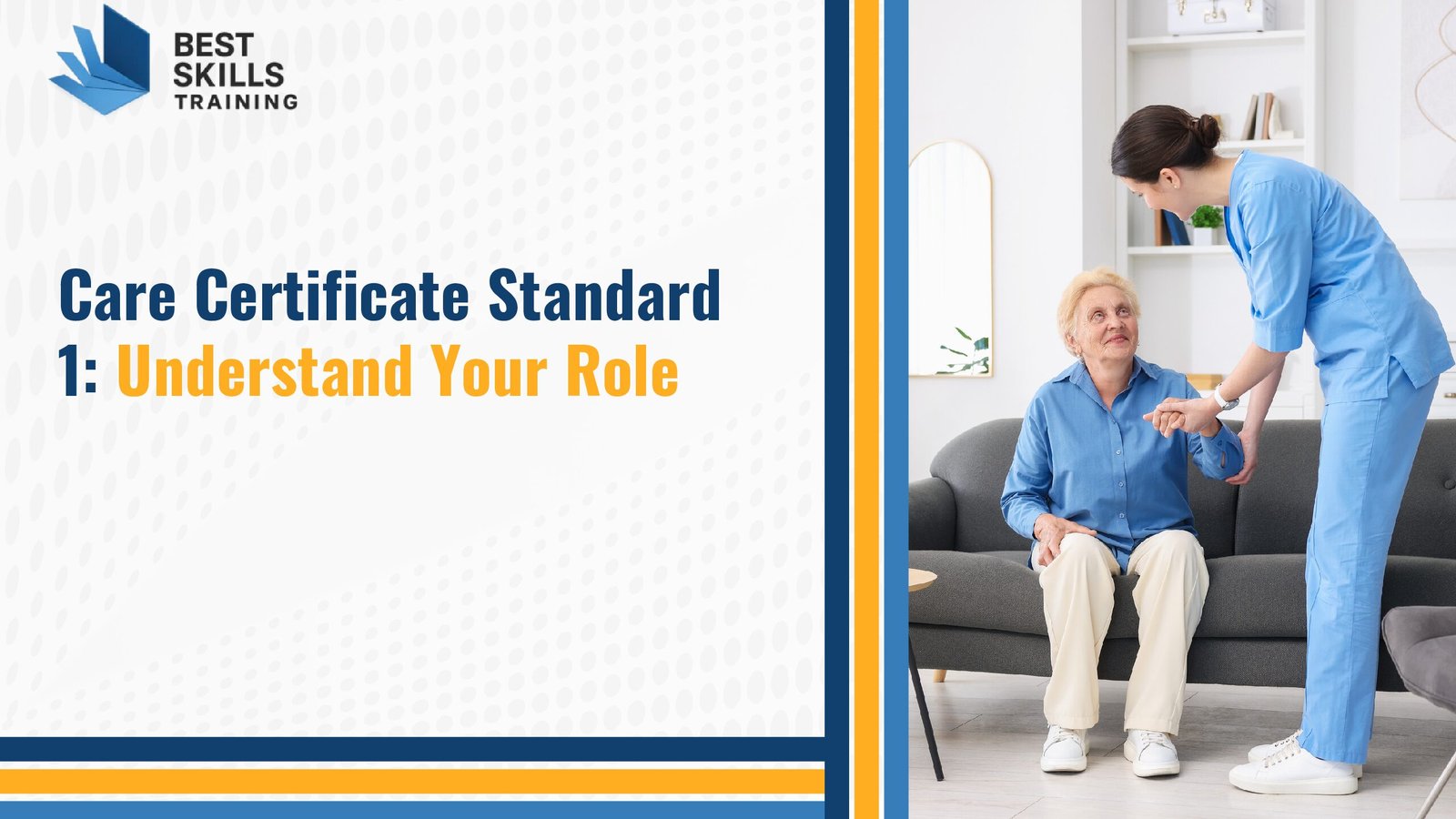




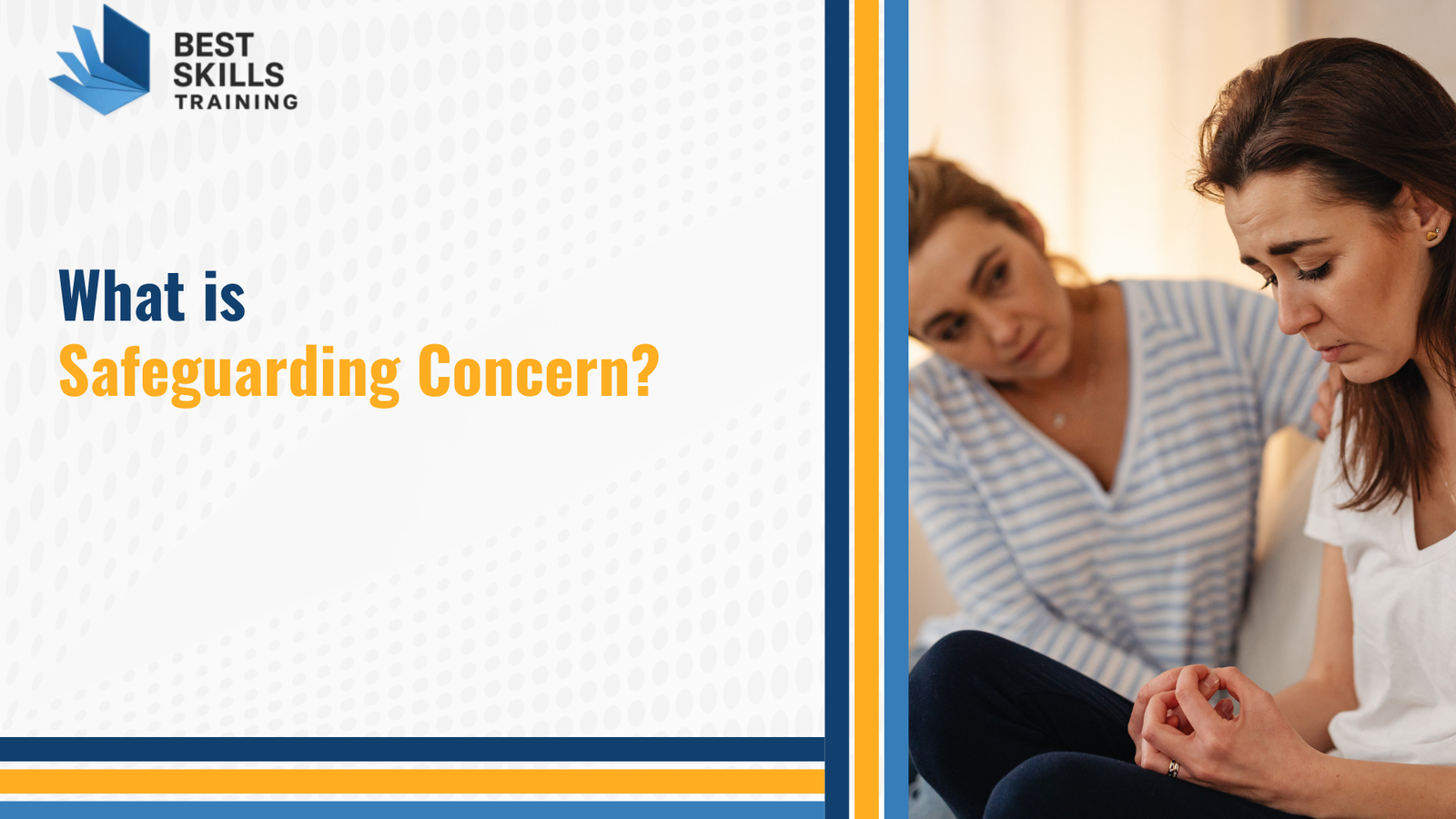
If you work in care, health, education, or any setting with children or adults at risk, you will hear the phrase “safeguarding concern” almost every week. But many care workers still aren’t sure what it means. They don’t know when it applies. They don’t know what to do next. Understanding what is a safeguarding concern matters. It is not just a training tick-box. It is one of the most important things you carry into every shift.
This guide is written for UK care staff, support workers, teachers, and healthcare workers. It uses the Care Act 2014, current guidance, and everyday safeguarding practice. By the end, you will know how to spot a concern. You will know your legal duties. You will know exactly what to do next.
We will also cover the types of abuse and neglect. We will look at the six safeguarding principles. We will explain how a safeguarding concern differs from a quality issue. And we will explain what happens after you report one. This article gives you everything in one place.
What Is a Safeguarding Concern?
A safeguarding concern is any worry that a child, young person, or adult might be facing harm, abuse, or neglect. You don’t need proof. A reasonable suspicion is enough to raise it. The worry might come from something you see. It might come from something someone tells you. Or it might come from a pattern that simply doesn’t feel right.
For adults, the legal definition is set out in Section 42 of the Care Act 2014. It says a local authority must act when it has reasonable cause to suspect three things. First, the adult has care and support needs. Second, they are at risk of, or already facing, abuse or neglect. Third, they cannot protect themselves because of those needs. In practice, staff don’t need to check every box themselves. You just need to raise what worries you.
It helps to see that what is a safeguarding concern in real life often extends beyond the strict legal wording. It doesn’t always involve cruelty. It might be a tired family carer who is missing someone’s needs without meaning to. It might be a short-staffed care home cutting corners. It might be someone being pressured out of their savings by a person they trust. Each of these should still trigger a safeguarding response.
Why Safeguarding Concerns Matter So Much in UK Care Settings?
Care workers often see the same person every day. Sometimes several times a day. This puts you in a rare position. You can spot small changes that a GP or a distant relative might miss. A missed safeguarding concern can let harm continue for months. Sometimes for years. That harm can leave lasting physical and emotional damage on someone who trusted you.
There is also a legal side to this. The Care Quality Commission checks safeguarding practice during every inspection. Weak safeguarding is one of the most common reasons a service gets rated “inadequate”. Employers who ignore concerns can face fines, reputational damage, and, in serious cases, criminal charges.
But beyond the rules, there is a simple human reason this matters. Vulnerable people rely on those around them to speak up. A workplace where staff feel safe raising concerns without fear of blame protects lives. It stops small problems from turning into serious harm. This is why every UK care provider must build safeguarding into staff induction and ongoing training.
The Legal Framework: The Care Act 2014 and the Six Safeguarding Principles
The Care Act 2014 is the backbone of adult safeguarding law in England. It places a clear legal duty on local authorities, the NHS, and care providers. They must look into any safeguarding concerns raised about an adult with care needs. This applies at home, in a care home, in supported living, or in a hospital. No provider can pass this duty off because they are busy.
Six safeguarding principles guide the Act. The Department of Health first set these out. They keep the person at the centre of every decision. They stop safeguarding from becoming a cold, tick-box process done to someone rather than with them.
Empowerment:
People should be helped to make their own choices. Ask what outcome they want from a safeguarding response. Don’t assume you already know best. Write their wishes clearly in their care plan.
Prevention:
It is better to act before harm happens. Staff should get clear, simple information about what abuse looks like. They should know the early warning signs. Small issues, spotted early, rarely turn into serious harm.
Proportionality:
The response should match the risk. Not every concern needs a full enquiry. Sometimes a chat, a care plan review, or extra support is the right first step.
Protection:
People at greatest risk need support and a voice. Staff must know how to report locally. People who cannot speak for themselves should get help from an advocate during any enquiry.
Partnership:
Local services working together beat services working alone. Care staff, social workers, police, and health teams must share information. They need to act together on any concern.
Accountability:
Everyone involved must be clear about their role. From the on-shift carer to the local authority, each person should be ready to explain the decisions they made and why.
Types of Abuse and Neglect That Raise a Safeguarding Concern
Safeguarding concerns can stem from a surprisingly wide range of harm, and knowing that full range is what lets you catch problems early rather than after they’ve escalated. Government guidance recognises ten distinct categories of abuse. Learning each one sharpens how confidently you read what you’re actually seeing on shift.
Physical Abuse:
Hitting, slapping, pushing, or misusing medication all fall here, along with wrongly holding or restraining someone. Watch for bruises or breaks that don’t align with the explanation given, and notice whether anyone flinches around a particular person.

Sexual Abuse:
This covers rape, assault, and any sexual act carried out without consent – including situations where someone simply can’t consent because of illness or pressure. Unexplained injuries or sudden fear around personal care tasks can both be warning signs.
Psychological or Emotional Abuse:
Threats, humiliation, bullying, and isolating someone from friends and family all count. Because it leaves no physical mark, it’s often the hardest type to catch. Watch closely for shifts in mood, confidence, or openness in how someone speaks.
Financial or Material Abuse:
This includes theft, fraud, or pressure over a will or property. It also covers the misuse of someone’s benefits or savings. Watch for missing money, odd withdrawals, or a new “friend” taking over someone’s finances.
Neglect and Acts of Omission:
This means failing to meet someone’s care needs, blocking access to services, or withholding food, warmth, or medication – whether out of cruelty or simply being overwhelmed. Either way, the harm done to the person is exactly as real.
Self-Neglect:
When someone can’t, or won’t, look after their own health, hygiene, or living space – including hoarding – the harm originates from the person themselves. It still calls for a safeguarding response, just one handled with real patience and care.
Discriminatory Abuse:
Unfair treatment or harassment tied to race, gender, disability, religion, or age falls under this heading, whether it comes from staff, other residents, or the wider community. Left unchecked, it slowly erodes someone’s dignity and sense of belonging.
Organisational or Institutional Abuse:
This means poor standards or rigid routines that ignore what a person actually needs. It is often the hardest type to spot from inside a service, because it becomes “normal” and nobody questions it.
Domestic Abuse:
This includes physical, financial, or emotional abuse within a home or relationship. It includes coercive control. Care workers visiting someone at home are sometimes the only outsiders who ever see this pattern.

Modern Slavery:
Trafficking, forced labour, and domestic servitude all belong here – situations where another person, for gain, controls someone’s freedom. A person who never speaks for themselves, or has no access to their own documents, is worth a second look.
Signs and Indicators That May Point to a Safeguarding Concern
Rarely does a safeguarding concern arrive as one dramatic, unmistakable moment. Far more often, it’s a pattern – a subtle shift from someone’s usual self, or something that just doesn’t add up when you sit with it. Learning to notice that is exactly what good safeguarding training is meant to build.
Unexplained Injuries:
Bruises, burns, or breaks that don’t match the story they’re told to explain deserve a closer look, especially in unusual places on the body. Write down exactly what you see, and ask gently what happened.
Changes in Behaviour or Mood:
Sudden withdrawal, fear, anger, or a drop in confidence can all signal something’s wrong – particularly when the change is sudden and tied to a specific person or event.
Poor Hygiene or Sudden Weight Loss:
These can point to neglect. It might come from a paid carer, a family member, or the person’s own struggle to cope. Never write it off as simply “getting older”.
Fear of a Particular Person:
If someone goes quiet, tense, or anxious around one person, take this seriously. Follow up gently, without judgment, and record exactly what you noticed.
Unusual Money Activity:
Missing cash, strange bank withdrawals, or sudden changes to a will can all signal financial abuse – especially if a new acquaintance has suddenly become involved in someone’s money.
Reluctance to Speak in Front of Others:
Someone who only opens up once a particular carer or relative leaves the room may not feel safe speaking honestly in front of that person.
Adults at Risk: Who Do Safeguarding Concerns Protect?
The term “adult at risk” has largely replaced the older label “vulnerable adult,” and that shift matters more than it might first appear. Risk comes from a combination of circumstances, care needs, and environment – it’s not a fixed tag stuck on a person forever. Genuinely, anyone can become an adult at risk depending on what’s happening in their life at a given moment.
Under the Care Act 2014, an adult falls within the safeguarding duty if three conditions are met: they have care and support needs, they face – or risk – abuse or neglect, and they’re unable to protect themselves because of those needs. That can include older people living with dementia, adults with learning disabilities, people managing mental health conditions, or those recovering from illness or injury.
You don’t need a formal diagnosis for someone to count. A person going through a mental health crisis, a sudden bereavement, or an abusive relationship can fall within this group too, even if only for a short while. That’s exactly why care staff are trained to respond to what they observe, rather than waiting on paperwork or an official label to confirm it.
Safeguarding Concern or Quality of Care Issue: What’s the Difference?
Not everything that goes wrong in a care setting is a safeguarding concern, and knowing the difference genuinely matters – both for the person involved and for how the situation gets handled from there. A quality-of-care issue is usually a one-off, or a system-wide gap in standards: think a missed medication round because the shift was short-staffed. There’s no intent to harm, and no repeated pattern of neglect behind it.
A safeguarding concern is a different animal. It involves real or possible abuse or neglect, whether that’s deliberate or the result of repeatedly failing to meet someone’s basic needs. National guidance points staff toward looking at intent, pattern, and impact – not every complaint needs to become a full safeguarding referral.
Even so, caution is always the safer bet for frontline staff. If you can’t tell whether something’s a quality issue or a genuine safeguarding concern, raise it regardless and let your manager or safeguarding lead make that judgment call. Flagging something that turns out to be minor beats missing real harm, every time.
How to Raise a Safeguarding Concern: Step-by-Step
Knowing exactly what to do in the moment matters just as much as spotting the concern itself. Every care provider should have its own written safeguarding policy, but the general shape of the process stays fairly consistent across UK care settings.
Ensure Immediate Safety:
If someone’s in danger right now, call 999 first. Safety comes before any paperwork or process – deal with the danger, then move on to reporting it properly.
Listen and Reassure:
If someone discloses abuse to you, stay calm and take them seriously. Tell them they were right to speak up. Don’t promise complete secrecy, because you’ll need to pass on what you’ve heard.
Record What You Saw or Heard:
Write down exactly what was said. Use the person’s own words where you can. Add the date, time, and anything you noticed physically. Do this as soon as possible.
Report to Your Safeguarding Lead:
Every setting has a named safeguarding lead or manager. Tell them the same day if at all possible; it’s their call whether the concern needs to go further.
Refer to the Local Authority if Needed:
If the concern meets the Section 42 threshold, your lead will refer it to adult social care. They will then decide if a full enquiry is needed.
Follow Up and Reflect:
Check that action has been taken. Update the care plan if needed. Think about whether any change in practice could stop this from happening again.
Safeguarding Training for Managers
Start Your Training
What Happens After a Safeguarding Concern Is Reported?
Once a concern reaches the local authority, they must decide if it meets the legal test for a Section 42 enquiry. This isn’t automatic. A social worker reviews the details. They check if the adult has care needs, faces abuse or neglect, and cannot protect themselves as a result.
If the test is met, a formal enquiry starts. The local authority usually leads it, often working with the care provider, police, or health services. The person at the centre of it all should stay involved throughout. This follows the “Making Safeguarding Personal” approach. Their wishes about the outcome should guide the process, not sit as an afterthought.
The enquiry usually involves gathering facts, talking to those involved, and checking ongoing risk. Outcomes can range widely. A care plan might change. Staff might get more training or supervision. In serious cases, the police may get involved. Providers are expected to cooperate fully and keep supporting the person throughout.
Even when the formal Section 42 test isn’t met, the concern doesn’t just vanish. Many local authorities still give advice. They may point families toward support services. They may ask the provider to review its own practice. Safeguarding is about prevention as much as it is about formal process.
Barriers That Stop People Reporting a Safeguarding Concern
Even when someone clearly spots a safeguarding concern, they can still hesitate before reporting it. Understanding these barriers helps managers build a genuinely open culture, and it helps staff push past their own doubts at the exact moment it matters most.
Fear of Getting It Wrong:
Many staff worry about making a fuss over something that turns out fine. Raising a concern in good faith is never a mistake, whatever the outcome later shows.
Fear of Consequences:
Some staff, especially new workers, worry about upsetting colleagues or families. Strong whistleblowing protection should make it unmistakably clear that raising concerns is expected, never punished.
Loyalty to Colleagues:
It feels uncomfortable to report a fellow carer. But your duty to the person receiving care always comes first, however hard that feels in the moment.
Not Knowing the Process:
Some staff stay quiet simply because they don’t know who to tell. Clear training and visible policy fix this problem fast.
Normalised Poor Practice:
In some settings, certain habits become so routine that staff stop seeing them as a concern at all. Regular training and outside inspection help bring fresh eyes back to daily practice.
Employers can lower these barriers. Welcome questions. Avoid blame when a reported concern leads nowhere. Remind staff often that safeguarding is everyone’s job, not just something for managers to handle.
Documenting a Safeguarding Concern Correctly
Good notes can decide whether a concern gets acted on fast or gets lost. Every organisation will have its own incident form. But some rules apply everywhere.
Use plain, factual language. Avoid guessing at motives. Don’t write “she was clearly abused”. Instead, write exactly what you saw: “Mrs Jones had a bruise about 5cm wide on her upper left arm. She said it happened when staff helped her out of bed.” Add the date, time, place, and names of anyone present. Write down exact words if someone disclosed something to you directly.
Finish your report as soon as you can, while the details stay fresh. Never quietly change a report later. If you need to add something, date it clearly as an update. Clear, quick notes protect the person at the centre of the concern. They also protect you if the case gets reviewed later.
The Role of Care Workers and Employers in Safeguarding
Every person working in care carries a personal duty to notice, record, and report concerns. This applies to whatever your job title is. It is not optional. It sits within the professional standards set by bodies such as the CQC. Ignoring a concern can bring serious consequences for the person who stays silent.
CPD-certified Care Certificate Course
Enrol Now
Employers carry a broader duty on top of that. They need to build the conditions that make good safeguarding actually possible – clear policies, easy reporting routes, a named safeguarding lead, and a culture where staff genuinely feel safe speaking up without fear of being labelled a troublemaker.
Training sits right at the centre of all this. Regular, refreshed safeguarding training keeps staff current on both the law and local procedure. Employers who skip this step risk more than fines – they leave the people in their care more exposed to harm, going unseen and unreported.

Common Mistakes to Avoid When Handling Safeguarding Concerns
Even well-meaning staff get safeguarding wrong sometimes, usually down to inexperience, confusion about the process, or simply not wanting to make a fuss. Knowing where these mistakes tend to happen helps you respond with more confidence when a real concern lands on your desk.
Waiting for Proof:
You don’t need evidence or certainty to raise a concern. A reasonable suspicion is enough. Waiting too long can let harm carry on. Always report sooner rather than later.
Promising Full Secrecy:
Saying “this stays between us” can keep you from acting and may break trust later. Be honest that you need to share what you were told.
Poor Documentation:
Vague or delayed notes make it far harder for anyone to piece together an accurate picture afterwards. Write down what happened as soon as you can, in clear, plain language.
Assuming Someone Else Reported It:
In a busy team, it’s easy to think a colleague has already flagged something. Always report it yourself. Don’t leave a vulnerable person unprotected through assumption.
Treating Every Issue the Same:
Some concerns need urgent action; others need a calmer response. Talk to your safeguarding lead if you’re unsure, rather than guessing on your own.
Safeguarding Concerns Across Different Care Settings
The underlying rules stay constant everywhere, but how a safeguarding concern actually shows up – and how you go about reporting it – can look a little different depending on where you work. Knowing those differences helps you act with more confidence in your own particular setting.
Care Homes
In care homes, staff see residents daily, which gives them a genuine head start on noticing small changes early. Most care homes have a designated safeguarding lead on site, often the registered manager or a deputy. Report concerns to them directly and follow the home’s own written policy.
Home Care and Domiciliary Settings
In home care and domiciliary settings, you might be the only outside visitor a person sees all week. That makes your role even more critical, since you could be the only one who spots signs of neglect, financial abuse, or a change in someone’s home environment. Report concerns to your agency’s office as soon as your visit ends – never wait until your next scheduled shift.
Hospitals
In hospitals, safeguarding concerns often tie into discharge planning, medication, or interactions with visitors. Ward staff should know the hospital’s safeguarding team and how to make a fast referral – a patient who seems frightened of a particular visitor, for instance, needs a documented response before they’re sent home.

Supported Living and Community Settings
In supported living and community settings, people generally have more independence, which can make spotting concerns trickier. Staff still carry the same duty to notice and report, and regular, relaxed conversations can help build the kind of trust that lets someone tell you when something’s genuinely wrong.
Safeguarding Training and Mandatory Requirements for UK Care Workers
Safeguarding training is a legal requirement for anyone working in the UK health and social care sector. This applies in care homes, home care, supported living, or NHS settings. The CQC expects every provider to show that staff get proper induction training. It also expects regular refresher courses, usually every year, covering adult and child safeguarding, depending on the setting.
Training usually covers what’s in this guide. That means the legal framework, the six principles, the types of abuse, and how to report a concern in your own workplace. Many providers also use scenario-based training. This lets staff practise handling real situations before they meet one for real.
Beyond ticking a compliance box, good safeguarding training genuinely changes outcomes for the people in your care. Staff who understand what a safeguarding concern is, and who learn to trust their own instincts, step in earlier – and that’s precisely how small issues stay small instead of turning into serious harm. It’s why safeguarding sits at the heart of every mandatory training programme for UK care workers.
FAQ
1. What Is a Safeguarding Concern in Simple Terms?
It is reasonable to worry that a child or adult may face abuse, neglect, or harm. You don’t need proof. A genuine concern, based on what you’ve seen or heard, is enough to justify a report.
2. Who Should I Report a Safeguarding Concern To?
In most workplaces, report to your safeguarding lead or manager straight away. If someone is in immediate danger, call 999 first. Safeguarding steps follow once the person is physically safe.
3.What Is the Difference Between a Safeguarding Concern and a Complaint?
A complaint usually concerns poor service, such as a delay or a communication issue. A safeguarding concern involves real or possible abuse or neglect. It triggers a different, legally defined response under the Care Act 2014.
4. Can I Raise a Safeguarding Concern Anonymously?
Yes. Most organisations and local authorities accept anonymous reports. Providing your details can help, as it allows investigators to follow up for more information. Whistleblowing protection also covers staff who raise concerns in good faith.
5. Is Self-Neglect Always Treated as a Safeguarding Concern?
Not automatically, but it should always be assessed. Self-neglect appears in national guidance. A safeguarding response may follow if the person has care needs and cannot protect themselves from the risk involved.
6. What Should I Do if My Manager Doesn’t Act on a Concern I’ve Raised?
Escalate it. Go to a more senior manager or your organisation’s safeguarding lead. You can also contact the local authority’s adult social care team directly, or raise it with the CQC if the pattern continues.
Conclusion
Understanding what is a safeguarding concern is not just about passing a training course. It is about protecting real people who rely on you to notice when something isn’t right. From the ten types of abuse to the six safeguarding principles and the correct steps to report, this knowledge sits at the heart of good, ethical care work across the UK.
Every care worker, support worker, and healthcare professional has a part to play in keeping vulnerable people safe. If you take one thing from this guide, let it be this: you don’t need certainty to raise a concern. You just need a genuine worry and the courage to speak up. That one decision, made quickly and calmly, can change, or even save, someone’s life.