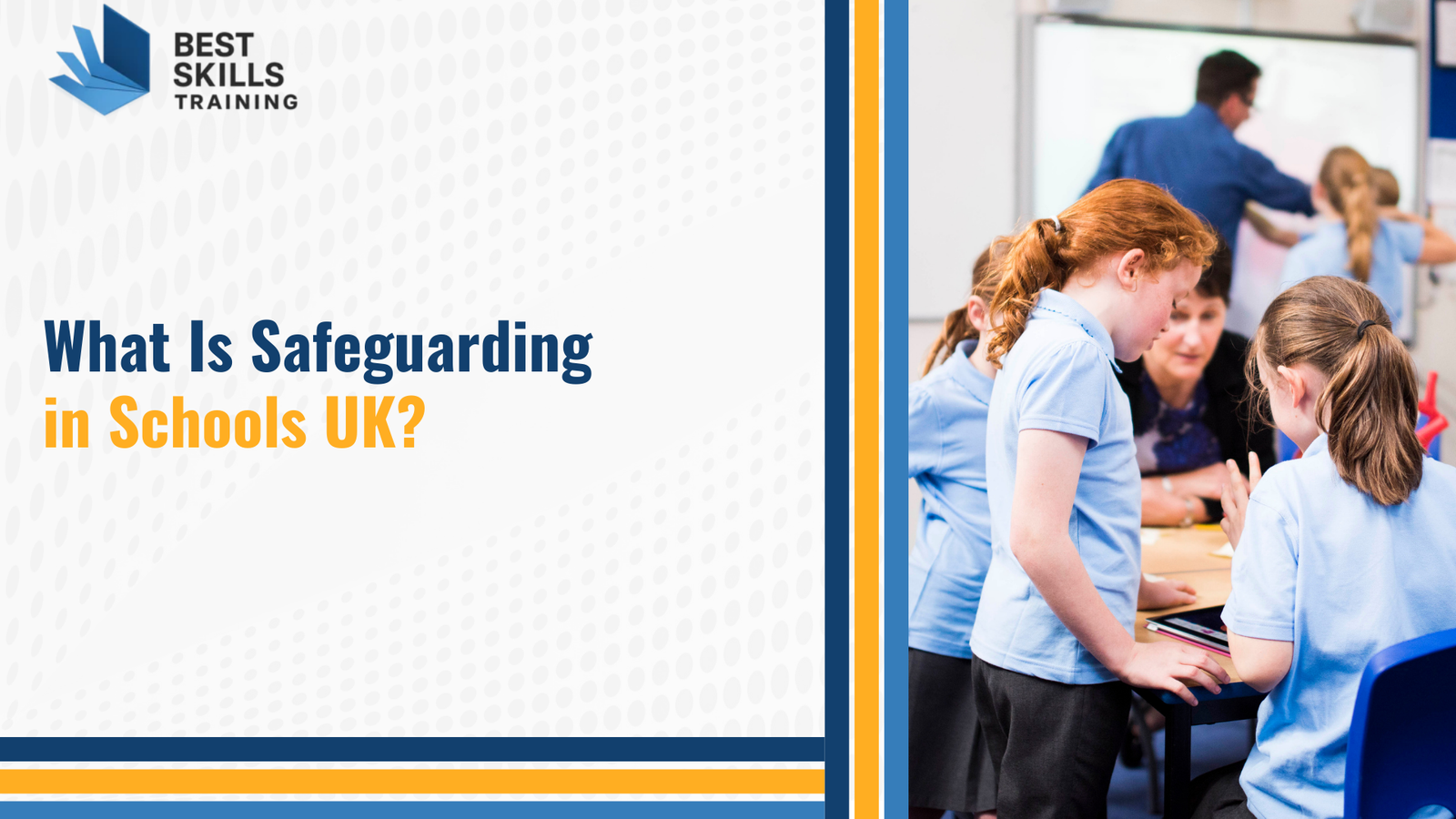
What Is Safeguarding in Schools UK? A complete guide to how schools protect pupils, follow KCSIE guidance, and ensure every child learns in a safe environment.
Table of Contents
“A safe school is not built by walls. It is built by trust, care, and people who choose to protect children every day.” It is every parent’s wish to see their child secure in school. But who ensures that safety is a reality daily? Schools are not just learning institutions.
They are the areas that the children spend the better part of their time together, develop friendships, and mature as people. As such, schools have a strong obligation to protect any child from harm. Schools protect children through proper policies, the hiring of trained teachers, and strong systems with early warning mechanisms for risk situations.
Educators and staff members identify red flags, reassure the child, and respond immediately when something appears off. This protection will ensure that all children study in a secure, conducive atmosphere where they are respected and feel secure.
This is where the concept of What Is Safeguarding in Schools UK becomes important. These areas describe why protection matters, the legislation and why the role of staff is crucial in ensuring that the kids are safe daily.
What is Safeguarding in Schools UK
What is Safeguarding in Schools UK? It is defined as the full scope of actions that protect children from harm, abuse, and neglect. And any danger that might affect their safety or conditions. It creates a secure space where children can learn, articulate, and develop with a sense of security. Protecting does not involve one action. It is an ongoing process which involves all the adults in the academic fraternity.
There should be rules and directions that schools should adhere to. This is the most significant one, called Keeping Children Safe in Education (KCSIE). It advises schools on how to keep children safe. It includes positions, training, safer hiring, reporting, online security and record-keeping.
Protecting also implies taking care of children. It encompasses a child’s feelings, thoughts, body, and social life. Schools prevent harm by assisting when a person requires it, being early. They are also quick to react to emerging threats.
Why is Safeguarding So Important in Schools?
Kids should be protected since they can be abused, bullied, threatened online, or left alone by adults or other kids. Since children spend most of their time in school, school staff and educators can observe such changes as withdrawal or anxiety that could be evidence that they have problems.
Provided that school staff intervene in time, they can prevent further damage and assist the children. A good protection plan not only secures students but also makes the school good. Children then feel secure and are more ready to request assistance, discuss how they feel, and establish positive relationships.
A strong safeguarding culture helps create a secure and supportive school environment where children feel safe, valued, and confident. This encourages them to speak up, seek help when needed, and build positive relationships with peers and staff, which is essential for both their emotional wellbeing and personal development.
Key Safeguarding Principles in UK Schools
Schools in the UK operate under key principles to ensure the safety and happiness of children. These concepts inform decision-making and help employees address protection issues. All people working in schools, teachers, helpers, volunteers, and leaders, should be familiar with these concepts to ensure that learning becomes safe and supportive for learners.
1. The Welfare of the Child Comes First
The UK schools have the primary rule of placing the welfare of children first. The staff must keep students safe and healthy and address their emotional, physical, and mental needs, rather than being preoccupied with the school’s image or discussing difficult topics.
2. Early Intervention
Early help involves solving problems before they get worse. Teachers, due to their frequent interaction with students, can detect behavioural or mood changes. They can then provide support or refer a student to an individual who can help. This prevents injuries and improves outcomes in children.
3. Listening to the Child’s Voice
It is important to listen to children as a protective measure. They are supposed to believe that adults listen to their concerns. Employees are required to be tolerant, as some children may have speech difficulties. Being listened to makes them more likely to report problems early, which helps schools recognise and manage risks.
4. Everyone is Responsible
Protecting is a collective undertaking of all adults in schools, including teachers and staff. Everyone should be sensitive to danger and report it when they see it. This is a concerted action which creates a culture of child protection as a way of life.
5. Partnership Working
Schools, social workers, doctors, local government, and police should collaborate to establish a robust safety net to protect children.
6. Clear Reporting and Action
All protective concerns must be documented promptly and handed over to the Designated Safeguarding Lead. This individual will inspect them and decide what to do. Well-defined procedures guarantee that these problems are addressed.
Legal Duties and Guidance for Safeguarding in School Children
In the UK, schools have a very robust legal framework to protect them. It describes the actions schools and individuals should take to protect children. Teachers, principals, and governors have legal guidelines to follow, and schools can therefore implement effective safeguarding policies to ensure students’ safety.
Children Act 1989
One of the significant pieces of legislation in the UK is the Children Act 1989. It prioritises children’s welfare and instructs professionals to defend children. It provides a protective role for local authorities and social services and serves as a legal framework for decision-making in child protection in schools.
Children Act 2004
The Children Act 2004 contributed to the defence of children. It established Local Safeguarding Partnerships. The groups unite people in schools, hospitals, and other agencies to work collectively on services for children in need of protection.
Education Act 2002
The Education Act 2002 mandates schools to keep pupils safe. Learning institutions need to be well-organised in terms of regulations, education, and protocols. The principals and governors run these rules to ensure that they are working. Schools have a fundamental responsibility to keep the children safe.
Working Together to Safeguard Children
This is a guideline on how organisations should collaborate to ensure children’s safety. It emphasises the importance of proper communication and collaboration between schools, physicians, social workers/police. This is aimed at assisting at-risk children.
Keeping Children Safe in Education (KCSIE)
The primary regulation that ensures the safety of children in schools in England is Keeping Children Safe in Education. It informs employees about safety education, recruitment methods, and methods for identifying and reporting abuse. Every school personnel member should read it and learn it to be able to employ safe behaviour.
Prevent Duty (2015)
Prevent Duty states that schools have a responsibility to help children avoid hate or extremist thoughts by teaching critical thinking. It also informs teachers how to identify early signs that a child may be at risk of radicalisation.
Ofsted Requirements
Ofsted inspectors examine the extent to which schools ensure pupils’ safety by assessing safety regulations, staff training, and how schools address issues. Good safeguarding systems play a very important role in making a positive Ofsted rating.
Types of Abuse Schools Must Recognise
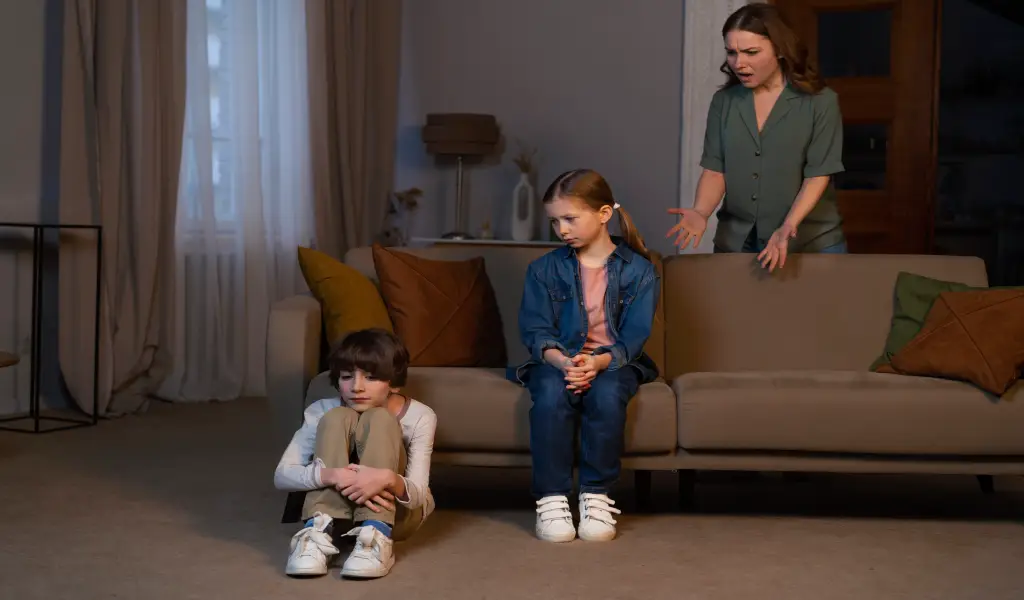
To safeguard children, school personnel must be aware of the various types of abuse, such as physical abuse, emotional abuse, exploitation, and neglect, which may occur within a family, among friends or on the internet. Being aware of these risks can help schools respond promptly and appropriately to keep susceptible students safe and to comply with safeguarding regulations.
Physical Abuse
Physical abuse occurs when an injury is caused intentionally to a child, such as being hit, shaken, or otherwise injured, and can be observed. Abuse can be manifested through regular injuries or the fear of some individuals. School personnel should report the issues to the Designated Safeguarding Lead so that the child does not suffer and appropriate actions can be taken.
Emotional Abuse
Emotional abuse is destructive to the health of a child since it consists of criticism, humiliation, or control. This may result in low self-esteem and anxiety. The staff should undertake observation of behavioural changes, as it is not always apparent. Schools are also involved in pastoral care and may involve external agencies in cases of protection.
Sexual Abuse
Sexual abuse of children occurs when one party forces a child to have sex with them, typically by unwanted touching or grooming, which may happen either in person or on the internet. Schools need to be sensitive to warning signs, such as a sudden change in behaviour or dislike toward some people, and report the concerns to the child as soon as possible.
Neglect
Neglect occurs when a child is denied the opportunity to have their basic needs met. This may imply that they lack adequate food, clothing, a safe place to live, or emotional support. Hunger, fatigue, inappropriate attire, and absence from school are indicators of neglect. These problems are supposed to be written down by the workers. Social services and families may collaborate with the protection teams to provide the child with the necessary care.
Safeguarding Roles and Responsibilities in Schools
Protecting schools is a community effort that entails teachers, leaders, governors, volunteers and support staff. The roles will be characterised by specific tasks to detect, document, and resolve issues, as well as to enhance protection systems. Schools can respond quickly to problems when employees understand their responsibilities, helping children promptly and keeping them safe.
Headteacher
The school has a headteacher who is the head of safeguarding. They design policies, train employees and make people report. They collaborate with governors and safeguarding professionals to manage the practice that prioritises safeguarding.
Designated Safeguarding Lead (DSL)
The Designated Safeguarding Lead (DSL) is responsible for managing safeguarding concerns, supporting staff, and maintaining school records. They also collaborate with external authorities and receive specialised training to stay up to date with the laws and procedures that safeguard everyone.
Deputy DSL
The deputy Designated Safeguarding Leads (Deputy DSLs) collaborate with the primary DSL on safeguarding matters and report in the primary DSL’s absence. They also help enhance protection by assigning responsibilities to professional employees.
Teachers and Support Staff
The support staff and teachers assist in safeguarding students by closely monitoring any changes in their behaviour. Whenever they have any concerns, they should report them to the DSL immediately, without conducting any investigations, to prevent further escalation of problems.
Governors and Trustees
School governors and trustees are responsible for upholding the rules and ensuring they comply with the law. They frequently evaluate reports and training to maintain the school’s security.
Volunteers
School volunteers should have a safeguarding process and be jointly accountable towards the protection of pupils. They should be trained to communicate issues to ensure student safety.
Visitors
Visitors to the school should observe safety rules to ensure the kids are not exposed to danger. It involves visiting, putting on an identification badge, and staying with a person. These visitor regulations help ensure the school is a safe environment.
What Safeguarding Policies Should a School Have?
Policy safeguards the children in school. They establish guidelines on how staff ought to conduct themselves, ensure that protection guidelines are consistently adhered to, and inform people what to do in case of concern. They describe the reporting problem, the boundaries of professional relationships, and what is required to keep things safe for children in a clear, well-structured way.
Safeguarding and Child Protection Policy
This policy describes the process by which schools identify, document, and act upon safeguarding issues. It defines employees’ duties and protects leads. The policy also explains how schools collaborate with external agencies when child protection issues arise. Consistent reviews of this policy make sure that schools are in line with national protection advice.
Staff Code of Conduct
The code of conduct is a professional code of conduct for staff and teachers. It helps maintain healthy distances between adults and pupils. Some of the behaviours covered by this policy include proper communication, physical contact, and social media use. Effective guidelines will be used to avoid the circumstances that may expose children to risks.
Safer Recruitment Policy
The recruitment policies are safer, ensuring that schools employ individuals who are fit to work with children. The policy provides information on the recruitment, interview, and protection requirements of the candidates. These procedures help minimise the risk of the wrong people being in the school.
Whistleblowing Policy
A whistleblowing policy allows workers to raise concerns about other employees or school regulations without fear. The policy safeguards employees who report issues and ensures that concerns are addressed properly. Such practices make the school remain transparent and accountable.
Online Safety Policy
The online safety policy describes the ways schools safeguard pupils against online dangers. It defines internet use, device management, and online behaviour policies. This policy is also used to inform schools on how to react to cyberbullying and online exploitation.
Behaviour and Anti-Bullying Policy
Behaviour policies maintain good relationships between the pupils and staff. Anti-bullying strategies enable schools to do the right thing promptly whenever bullying occurs. These policies create a safe and conducive learning environment.
Low‑Level Concerns Policy
Low-level concerns policies will identify the occurrence of bad behaviour at an early stage, before it becomes a big safety issue. Monitoring and analysing minor problems enables the schools to identify patterns that portray larger problems. This is a proactive method that enhances protection systems.
Attendance Policy
The attendance regulations also assist schools in maintaining student attendance records and identifying trends that may indicate protection issues. Absence from school or late registration may at times indicate issues at home or in the community. Tracking attendance will help schools identify pupils who may require assistance.
Allegations Management Policy
This policy describes the process of managing allegations against staff members in the schools. It also ensures that accusations are thoroughly researched, on the one hand, and that the safety of pupils is given top priority, on the other. Well-defined protocols safeguard students and employees during inquiries.
Safer Recruitment in Schools
Safer recruitment is crucial for safeguarding children, ensuring that unsuitable individuals do not work in schools. It is a background check, reference check and protection of interview questions to determine the suitability of the candidates. Through these practices, schools reduce the risk and encourage a safe school environment among pupils.
DBS Checks
Improved Disclosure and Barring Service (DBS) involves a review of an individual’s criminal history. These cheques help schools determine whether candidates have records that render them inappropriate to work with children. Before staff can start working in schools, they must undergo DBS checks.
Barred List Checks
Barred list cheques are used to check whether an individual is legally prohibited from working with children. Schools should ensure that barred list candidates are not hired to work with pupils. This cheque is an added benefit of protection.
Identity and Reference Checks
Candidates’ identities and employment backgrounds should be verified with schools. Past employer references can help demonstrate a candidate’s appropriateness and professionalism. These background checks are very enlightening about a candidate’s background.
Interview Questions
Safeguard-related interview questions assess candidates’ knowledge of child protection. Such questions can be asked about how candidates would react to the safeguarding issues. An evaluation of safeguarding awareness helps ensure that staff are ready to protect pupils.
Ongoing Checks
Responsibilities are safeguarded even after recruitment. Schools need to monitor their staff’s behaviour and ensure that employees are fit to work with children. Training and supervision are regularly used in sustaining safeguarding awareness.
Training for Interview Panels
The hiring panel should include one or more individuals with safer recruitment training. This training assists in ensuring that rules are observed during hiring regarding safety. The use of trained panels in schools allows schools to recruit people without much risk.
How Can Schools Create a Safe Environment?
Establishing a safe school environment is an everyday activity that examines the physical, emotional, and social aspects of school life. Students are secure and willing to learn when schools are designed in a manner that ensures their safety. They are also not afraid to raise issues when they notice them.
Supervision of Pupils
Educators observe students in class and during recess, at school, and at other times, to ensure their safety. The staff ought to monitor the playground, corridors, and the classrooms to prevent accidents or negative conduct. Frequent surveillance is beneficial for maintaining school safety.
Safe Classrooms and Buildings
School buildings are supposed to be designed to reduce risks to pupils’ safety. Periodic maintenance and safety checks help identify potential risks. A secure learning environment is associated with safe facilities.
Risk Assessments
Risk tests are used to identify and mitigate potential risks in schools. Schools have classrooms, sports activities, and educational trip assessments. These tests are used to ensure that operations are carried out safely.
Secure Doors and Visitor Management
Restricted entry to school premises is a measure to protect pupils from unapproved visitors. Visitor sign-in machines and identification badges help employees keep track of people on campus. The security procedures enhance protection systems.
Clear Routines During Trips
Field trips require proper planning to ensure pupils’ safety. Educators should conduct risk analyses and provide supervision when pupils are out. Clear procedures will help protect pupils when they are out of school.
Monitoring School Devices and Networks
Online pupil protection is achieved through digital monitoring systems. Schools censor inappropriate material and spy on school computers. The measures minimise risks online.
Promoting Respect and Kindness
Positive behaviour policies help students respect one another. It is expected that in schools, people learn to be kind, empathetic, and welcoming so that bullying and fights remain at bay. Schools ensure that the students are safe and happy.
Supporting Mental Health and Emotional Well-Being
Mental health is one of the safeguarding areas. In schools, pastoral care, counselling, and emotional support to students are provided. Students’ mental health is maintained, preventing long-term damage.
Recognising and Responding to Safeguarding Concerns
In the UK, school security is based on personnel capable of identifying threats among children, since children may not necessarily want to discuss their experiences. Teachers and employees are supposed to observe behavioural changes, moods, or looks that may indicate an issue. Schools should be well-established in providing avenues for reporting and documenting such concerns so that an immediate, accountable response can be provided. A planned response will keep the children safe and enable the investigation to proceed so that this approach can be taken for child protection.
Notice
Changes in student behaviour, including withdrawal or aggression, or indications of injury or neglect, should be noticed by teachers and staff. Although these signs do not necessarily indicate abuse, it is essential to identify them early to avoid serious problems and provide the necessary assistance.
Record
Employees should document any safeguarding issues and emphasise factual observations rather than their opinions. This is to ensure that what was seen or reported is clearly documented. True records are essential for protecting leads and can be crucial in subsequent investigations.
Report
Staff must promptly report any safeguarding concerns to the Designated Safeguarding Lead (DSL) rather than handling them alone. Adherence to school protection measures will ensure that children receive the necessary support and protection promptly.
DSL Decision
The Designated Safeguarding Lead (DSL) reviews reported concerns to determine next steps, which may involve gathering information or speaking with the child to assess risk and provide support. The DSL plays a significant role in controlling and protecting against problems.
Action
Depending on the circumstances, the DSL can perform several actions, such as talking to the child to help them and, if it is safe, telling the parents. They can also refer the child and family to social services or the police if necessary, and provide early assistance before the problem gets out of hand.
Follow‑up
The process of safeguarding does not end with the first report; it presupposes the monitoring and support of the child. The Designated Safeguarding Lead (DSL) documents the case and coordinates follow‑up actions, including liaising with external agencies, to ensure the child’s safety.
Multi-Agency Working in Safeguarding
Multi-agency cooperation is necessary because children may need assistance. Multi-agency protection involves collaboration among professionals from different fields to protect children and support families. Such collaboration allows representatives of various disciplines to exchange knowledge and resources. Agency collaboration can lead to better protection and support for children.
Social Care
Social care services for children are important as protective measures. Schools, in serious cases, refer cases to social workers who analyse the home environment, decide whether the case warrants intervention, and offer support or take protective action as and when required.
Police
Police get involved in the protection of cases where criminal acts such as abuse and violence are suspected. Their inquiries help gather evidence and detain the culprits. School partnerships play an important role in ensuring the safety of kids and the community.
Early Help Teams
Early Help teams can also help families before problems escalate into severe safeguarding risks. Schools can refer families to services for additional support with well-being, behaviour, or family issues, to help prevent more serious issues.
NHS and Mental Health Services
Healthcare professionals, such as doctors and mental health specialists, are crucial for safeguarding children and offering treatment for trauma and abuse. This cooperation guarantees children medical and emotional assistance, namely, emotional distress.
Local Safeguarding Partnerships
The Local Safeguarding Partnerships promote community protection by bringing together the education, healthcare, law enforcement, and social services. They focus on enhancing communication and collaboration between agencies, thereby improving child safeguarding.
Safeguarding Training in Schools
The training must be secured by ensuring that school staff are informed about how to protect children. Staff are not well-trained and may not know how to identify risks to their safeguarding or how to react. Training enables staff to keep abreast of emerging laws, policies, and risks. It also makes them bold enough to take action when they are concerned. Through frequent training, schools will have safeguarding as a priority throughout the organisation.
Annual Safeguarding Updates
Schools are required to update all personnel on safeguarding annually. Such updates will ensure that employees are informed about the procedures and responsibilities regarding safeguarding. The updates can include new protection information, policy adjustments, or new threats such as internet abuse. Periodic updates keep staff vigilant and ready to address safeguarding issues.
Full Safeguarding Training for All Staff
Every member of staff should receive safeguarding training to know how to identify and report any issues. This training elaborates on various forms of abuse, red flags, and reporting. Training the entire staff would ensure that knowledge protection is spread throughout the school fraternity.
DSL Training Every Two Years
The advanced training required of Safeguarding Leads is every two years. This training focuses on complex protective tasks, legal obligations, and multi-agency cooperation. Constant training will keep the DSLs informed and competent in case handling of safeguarding cases.
Prevent Training
Prevent training equips school personnel to protect pupils against radicalisation and extremist tendencies. The training explains warning signs and teaches staff how to support vulnerable pupils. In contemporary education, awareness prevention is a significant component of protection.
Online Safety Training
Internet security education helps personnel recognise online dangers to children. The teachers get to know how to detect symptoms of cyberbullying, grooming, and Internet exploitation. This training helps schools keep pupils safe in the digital space.
Induction Training for New Staff
Induction should include protection training for new employees. This training covers the policies on safeguarding, reporting, and staff roles. Training as part of induction will ensure that every employee starts their job with a proper level of safeguarding knowledge.
Governor Safeguarding Training
The school governors also get protection training to enable them to monitor safeguarding policies and procedures. This education equips governors with the knowledge of what they are supposed to do, as well as the ability to monitor safeguarding practices. Good governance contributes to the high standards of safeguard.
Safeguarding in the Curriculum
Safeguarding does not just revolve around responding to risks. It also entails educating students on how to stay safe and make healthy choices. To make children learn about personal safety, relationships, and well-being, schools include safeguarding issues in the curriculum. Training students to protect themselves will enable them to identify dangers and get assistance when they need it.
PSHE Lessons
Personal, Social, Health, and Economic (PSHE) education educates pupils on matters of emotions, relationships, and well-being. It is based on managing feelings, developing resilience, and making responsible decisions to prepare students to prioritise personal safety.
RSE Lessons
Learning Relationships and Sex Education educates the students on respect, limits and consent. These lessons help children understand healthy relationships and identify inappropriate behaviour. RSE is significant in the prevention of abuse and exploitation.
Online Safety Lessons
Online safety education would make pupils more familiar with the risks of the internet and safe internet use. Learners get to know about privacy, cyberbullying, and exploitation on the internet. Digital safety lessons equip students with the skills to address the problems posed by new technology.
Anti‑bullying Sessions
Anti-bullying education facilitates compassion, respect and inclusion. Educational institutions teach students to identify bullying and assist those who may be victims. Such sessions make the school setting a safer and friendlier place.
Life Skills
Life skills training helps students identify risky situations and enlist the help of responsible adults. Students learn how to make sound decisions and defend themselves. These competencies promote long-term health and strength.
Online Safety and Digital Protection
The issue of school safety has made online safety a top priority. Children spend a lot of time online learning, communicating, and entertaining. Despite the numerous advantages, technology is also exposing children to cyberbullying, grooming, and other dangerous materials. Schools should do something to ensure they safeguard pupils and teach them to use technology wisely.
Filtering Inappropriate Content
Schools provide filtering systems to prevent access to harmful websites and other offensive content. These systems can be used to prevent pupils from accessing dangerous content. The digital safeguarding includes filtering technology.
Monitoring Online Use
Schools can use monitoring systems to monitor online work on school computers. This helps employees identify potential dangers, such as cyberbullying or unacceptable searches. When threats are detected online, monitoring systems help intervene early.
Teaching Digital Citizenship
Digital citizenship education trains students to act responsibly online. Students learn about respectful communication, privacy, and the ethical use of the internet. These classes help students develop good online practices.
Protecting Personal Data
Schools teach students how to protect their personal information online. Students learn about the dangers of disclosing personal information to strangers or in public forums. Knowledge of data protection will prevent pupils from being exploited online.
Preventing Cyberbullying
Cyberbullying may have a strong emotional influence on the pupils. Children learn about the experience of online harassment and how to report it in schools. Schools can make the digital world safer by preventing cyberbullying.
Reporting Harmful Online Behaviour
The students need to know how to report dangerous online behaviour to trusted adults. Schools offer clear ways for schoolchildren to report safety issues digitally. When reporting is promoted, it secures children and prevents bad behaviour.
Speaking About Grooming and Exploitation
The dangers of online grooming and exploitation are explained in schools. Once pupils are aware of these dangers, they will be able to see dangerous situations. Education makes children have the self-confidence to defend themselves and seek help.
Teaching Safe Use of Social Media
Lessons in social media are used to make students responsible on the Internet. They learn how to manage privacy settings and identify online threats. One element of contemporary protection education is the safe use of social media.
Safeguarding for Vulnerable Pupils in Schools
Other pupils are at greater risk by virtue of circumstances. Children with special educational needs, disabilities, or difficult family circumstances might require additional assistance. The schools should also be aware of these risks and provide them with specific protection measures to ensure that all children are equally protected.
Use Clear and Adapted Communication
Other students do not raise issues easily verbalised. Communication methods should be used in schools to benefit every child. Openness will enable the concerned pupils to express concerns with ease.
Provide Trusted Adults
Adults who are trusted help vulnerable pupils feel safe and nurtured. Mentors or support staff can be assigned to schools. Such relations encourage students to be open-minded.
Understand Behaviour Linked to Unmet Needs
There is behaviour in which the emotional or developmental needs are not met. Educators need to identify such patterns and provide relevant assistance. The knowledge of such needs enables schools to safeguard vulnerable students.
Support Emotional and Social Development
Helpless students often require additional emotional support. At school, there are well-being programmes, counselling and mentoring. Such services help children develop confidence and resilience.
Work Closely With Parents and Professionals
Professional and parental cooperation is a guarantee of continuity. Therapists, health providers, and social workers can be engaged in schools. This type of collaboration enhances protection.
Make Reasonable Adjustments
Schools will have to modify the learning conditions of the vulnerable students. Adoptions may consist of special resources or additional supervision. Such modifications make every student feel secure and accepted.
Ensure Consistent Care
There is a need for consistency among pupils with instability. Schools provide routine and nurturing relations. Sometimes, as a result of continuous care, trust and emotional security develop.
How Does Ofsted Inspect Safeguarding?
Ofsted inspections are done to determine how schools safeguard children. Protecting is one of the high priorities of reviews. Inspectors seek good policies, trained employees and good reporting. A strong safeguarding system drives good inspection results.
Whether Children Feel Safe
Inspectors speak directly with pupils to understand whether they feel safe, supported, and protected. A positive response indicates that safeguarding measures are effective and embedded in the school environment.
Whether Staff Know What to Do
The inspectors check the safeguarding records to ascertain that the issues are recorded. Procedures are followed, and the records accurately reflect this. Professional practice is assisted by good record-keeping.
Whether the Records Are Complete
The inspectors check the safeguarding records to ascertain that the issues are recorded. Procedures are followed, and the records accurately reflect this. Professional practice is assisted by good record-keeping.
Whether Leaders Respond to Concerns
School leaders must respond quickly and appropriately to safeguarding issues. Inspectors assess whether leaders take concerns seriously and act responsibly. Strong leadership is essential for effective safeguarding.
Whether Training is Up to Date
Inspectors review staff training records to ensure knowledge is up to date. Frequent training will ensure that staff are aware of their duties. Renewed training is useful in safeguarding.
Whether Policies Are Followed
It is not enough to have policies; schools should implement them. Inspectors examine the working practices in line with the policies. Existence will make sure that procedures are effective.
Whether Recruitment is Safe
Ofsted conducts recruitment to ensure the hiring of appropriate staff. Inspectors examine DBS checks, references, and other documentation. Secure recruitment protects students against danger.
Whether Pupils Learn About Safety
The inspectors assess the safety instruction schools provide in the curriculum. The lessons on online safety, relationships, and well-being contribute to pupils’ protection. Protecting education helps in the long term.
FAQs
1. Do All Schools Need a Designated Safeguarding Lead (Dsl)?
Yes, all schools in the UK must appoint a trained DSL who takes overall responsibility for safeguarding. They coordinate concerns, support staff, and liaise with external agencies to ensure children are protected.
2. Can Staff Report Concerns Without Evidence?
Yes, staff are expected to report any concerns or suspicions, even without full evidence. Safeguarding relies on early reporting, allowing the DSL and relevant authorities to assess and act appropriately.
3. What if a Child Does Not Want the Concern Shared?
Staff cannot promise confidentiality if a child is at risk of harm. They must report the concern to ensure the child’s safety, as safeguarding responsibilities override personal requests for secrecy.
4. Are Parents Always Informed About Concerns?
Not necessarily; if informing parents could increase risk to the child, schools may involve social services or the police directly. The child’s safety is always the top priority in decision-making.
5. How Often Do Staff Need Safeguarding Training?
All staff should receive regular safeguarding updates, typically on an annual basis. DSLs require more in-depth training every two years to stay compliant with current safeguarding guidance and practices.
Conclusion
What is Safeguarding in Schools UK? It is more than a guideline or a checklist. It is the everyday, involved process of safeguarding youngsters from injury and supporting their well-being. It includes rules, guidelines, training, safer recruitment, and reporting methods. And a robust school culture that puts the kids first. Mostly, it reflects a commitment that every youngster deserves safety, respect, and care.
When schools are well-protected, youngsters feel safe. They trust adults. They learn with confidence—robust safeguarding creates safer classrooms, stronger communities, and more promising futures. Academies, families, and specialists must continue to operate together. When everyone understands their function, safeguarding becomes a shared responsibility, not just a condition. It serves as the basis for safe and supportive teaching for every youngster in the UK.
BST Editorial Team
BST Editorial Team is a dedicated group of UK-focused training professionals who develop and review courses in Health and Social Care, Safeguarding, Health and Safety, and Food Hygiene. All content is created and regularly updated to reflect current UK regulations and industry best practices, ensuring accuracy, reliability, and professional relevance for learners.