Learn what does safeguarding mean in schools, why it matters, key responsibilities, policies, and real examples.
Table of Contents
One incident in a classroom can make all the difference- and knowing how schools can ensure that all children are not harmed, neglected and are not exposed to invisible dangers is the key to creating really safe learning and growing environments.
When individuals ponder the question of what does safeguarding means in schools, they seek more than a definition; they seek clarity, insight, and implementation. Schools are not just schools; they are there to ensure that children do not feel unsafe, unloved, or unknown. Protecting children is now a high priority in the everyday school life of all children, whether they are victims of bullying and abuse or face online dangers and mental health issues, and it is a top priority of teachers, parents, and society.
The protection has become a holistic, proactive approach to ensuring the safety of children and their overall well-being and development in a safe and nurturing environment. The guide will make it easy to understand the fundamentals of school safety, its policies, requirements, and best practices. The article will help you, as a teacher, school leader, parent, or policymaker, interpret and translate safeguarding in action in the contemporary educational environment, providing clear, actionable information.
What Does Safeguarding Mean in Schools?
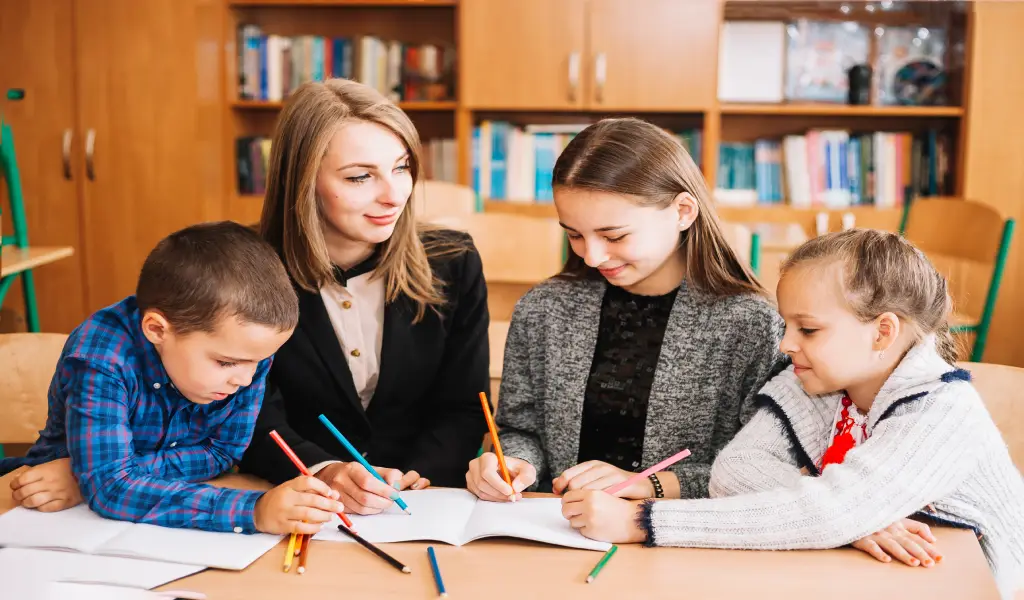
Safeguarding in schools means the policies, procedures and practices that have been put in place to ensure that children are not injured or subjected to harmful situations that can damage their well-being, and that they develop in a safe and healthy environment. It plays a role in protecting the children against abuse, neglect and exploitation, among others, that may negatively impact their physical or psychological health.
Defending, however, is not merely the act of taking care of wounds. One should understand the meaning of the term: what does safeguarding mean in schools? It is a preventive measure that involves recognising, fostering a culture of safety, and giving children a sense of safety, respect, and being listened to. They are, but they are not confined to, safe staffing, maintaining safe premises, and educating children about how to be safe in the real world and on the Internet.
The other crucial element of protection is promoting children’s well-being. This includes taking care of their emotional well-being, establishing proper relationships and making them sound. Protection means that children are not harmed in any way and are allowed to develop.
Safeguarding vs Child Protection
One of the most important aspects to mention in any safeguarding blog is the distinction between safeguarding and child protection, as these terms are often used interchangeably. They are quite similar yet not the same.
Safeguarding is the more general term to consider all actions taken to protect children and nurture their welfare. It is preventive and active, aiming to reduce damage. This means it is done through the provision of safe environments, child education, and school-wide policies.
However, child protection is a specific part of safeguarding that deals with the cases of a child who is already at risk of being harmed or has been abused or neglected. It involves serving the interests, reporting and engaging the external agencies to protect the child.
This is an essential distinction, as effective protection depends on effective prevention, and child protection is grounded in intervention. Both ought to be established within schools.
Why is Safeguarding Important in Schools?
Protection is needed in schools, as children are among the most vulnerable groups in society and rely on adults to safeguard them. It is the legal and ethical responsibility of schools to ensure that all children are safe, nurtured, and free to learn.
One of the biggest protective purposes is that they help to avoid maltreatment and neglect before they begin to develop. Preventing harm and providing children with the support they require is possible through early risk detection.
The second significant factor is that protection guarantees children’s mental health and emotional well-being. Children can focus on learning and develop confidence and positive relationships in a safe environment. Without protection, children may be anxious, scared or even traumatised and unhealthy, and unable to learn and pursue a future.
Confidence among schools, parents and communities is also generated through protecting. Parents can be more confident about the education and care their children will receive by sending them to a school that prioritises children’s safety. This confidence is critical to establishing effective collaborations that can help children.
Types of Abuse and Risks Safeguarding Covers
The authoritative safeguarding article must adequately cover the different types of harm schools are supposed to prevent. The policies formulated to protect children address a wide range of risks to which children may be subjected.
1. Physical Abuse
Physical abuse is the means of inflicting harm on a person by hitting, shaking or burning them. Schools ought to be highly sensitive to identifying symptoms such as unexplained injuries or behaviour.
2. Emotional Abuse
Emotional abuse may not be so easy to notice, but it is also detrimental. It entails behaviours that undermine the child’s self-esteem, including constant criticism, humiliation, and rejection.
3. Sexual Abuse and Exploitation
This includes intimidating or luring a child to have sex. The protection measures are to assist in protecting the children against offline and online exploitation.
4. Neglect
Neglect refers to the inability to provide a child with the necessities such as food, shelter, education and medical care. Schools will probably be effective in addressing the neglect.
5. Bullying and Cyberbullying
Bullying may have severe psychological impacts on children in the long term. Protection policies should be implemented against both online and face-to-face bullying.
Online Risks
As technology starts to be more prevalent, children become vulnerable to the dangers of grooming, cybercrime and inappropriate content. Internet protection has been incorporated as a significant part of protection.
Key Principles of Safeguarding in Schools
The principles of best practice are based on protecting schools, which inform how children are protected and supported in international environments. Values help ensure that protection practices are coherent, effective, and oriented toward the common good of all children. These principles need to be learned and implemented to create a safe, positive school environment.
Child’s Welfare as the Highest Priority
The greatest principle of protection is that the welfare of the child should have the first place. What is in the best interest of the child should guide each decision, action and policy in a school. It implies that safety, emotional health, and progress issues should be prioritised, even in complex situations.
Early Intervention and Prevention of Harm
Early intervention is a key characteristic of effective protection, as it seeks to address concerns before they escalate into serious problems. Schools should be very sensitive to identify early warning signs, including behavioural changes or absenteeism. Quick staff intervention can benefit the child and minimise iminimise damage.
Maintaining Confidentiality With Responsibility
Data on a child is confidential, and therefore confidentiality is key to ensuring that data is treated with care and respect. Nevertheless, a lack of confidentiality should not hinder the delivery of the information required to the concerned professionals. A balance must be struck between privacy and the provision of help and protection to children in schools.
Collaboration and Shared Responsibility
Protecting is not a task for an individual, but a multidisciplinary intervention involving school staff, school administration, parents, and external organisations. Teamwork will be required to solve the problem early, with support from the child’s rights system for the child’s development.
Inclusivity and Equal Protection for All Children
Protective practices must be universal, and all children must be protected irrespective of their background, abilities or circumstances. Even schools should realise that these are more vulnerable children who need some extra help. The inclusive strategy will also ensure that no child is left out and that protection measures are applied equally and consistently.
Roles and Responsibilities for Safeguarding in Schools
The safety of children is the collective duty of the whole school. Teachers’ roles are supervision and a safe environment; administrators’ role is safety; support staff help with supervision; and parents are alert and active. Understanding who safeguarding applies to helps clarify these shared duties and is critical to establishing a secure environment in which children can learn and thrive.
School Leadership
School leaders are accused of creating a culture and safeguarding policies that comply with the law. They are also required to allocate resources and training.
Designated Safeguarding Lead (DSL)
The DSL primarily meets concerns of safeguarding. They are responsible for case management, staffing, and liaising with other agencies.
Teachers and Staff
All employees are to be trained to identify signs of abuse and to know how to report them. They are very important in monitoring children and establishing trust.
Parents and Guardians
The major partners in safeguarding include parents. Schools must also maintain good communication with families and involve them in their children’s well-being.
External Agencies
The schools collaborate with organisations, health care providers, and law enforcement to safeguard children and provide necessary services.
Safeguarding Policies in Schools
Schools have been using protective policies as an important tool to ensure children’s safety and provide a safe learning environment. A good policy must offer the school a path to escape harm, identify hazards, and bargain for security. It will ensure that all members of the school community are aware of their role and adhere to the same procedures to keep children safe.
Clear Procedures for Reporting Safeguarding Concerns
The best safeguarding policy should include measures to report issues related to a child’s safety or well-being. The employees should be aware of whom they are reporting to (usually the Designated Safeguarding Lead) and the urgency of the action they are undertaking. To reduce confusion and ensure issues are addressed promptly, a well-structured reporting system will be adopted.
Guidelines for Staff Behaviour and Professional Conduct
Clear expectations over staff behaviour should be safeguarded as part of professional boundaries to prevent misconduct. This involves treatment rules towards students, technology use and good relationships. These standards will be applied to ensure that students and staff stay safe and create a healthy school environment.
Procedures for Managing Allegations Against Staff
The safeguarding policy should be very strong and address the process for handling allegations made against staff in a fair and best-interests-of-the-children manner. It should also comprise clear reporting, investigative and response measures to such concerns, including appropriate measures to maintain confidentiality. This will ensure that no case is ignored and that it is addressed legally and ethically.
Coverage of Online Safety and Digital Risks
Online protection of children should also be safeguarded, as online learning is increasingly dependent on technology. This entails details on internet safety and monitoring, as well as how to educate students about the risks of cyberbullying and internet exploitation. Online safety protects the classroom.
Anti-Bullying and Health and Safety Measures
The anti-bullying policy and the general health and safety practices constitute the broader context in which the policy of safeguards should be considered. The conditions that need to be created in schools to discourage bullying are secure and encourage self-control. These practices foster a culture where children feel safe, encouraged, and able to learn.
Regular Policy Updates and Staff Awareness
The protective policies need to be revised and updated regularly to reflect current risks, legal mandates, and best practices. All school staff should be trained and familiar with these policies so they can apply them confidently. The continuity of policies helps schools to be proactive and reactive to emerging safeguarding issues.
Importance of Strong Safeguarding Policies in Schools
Well-developed, thorough safety policies not only protect children but also support schools in risk management, enabling them to discuss sensitive matters without fear or concern. Lastly, proper protection will help build trust among students, parents, and employees and make the school more resilient and security- and well-being-oriented.
How Do Schools Create a Safe Environment?
Protective measures can create a secure environment at the school; here, children develop a sense of security, a sense of nurturing, and self-confidence. Protecting Protectionsible by mere written policies but by daily activities, conscious awareness, and care. Schools need to take effective actions that can practically minimise and enhance the well-being of all children.
Maintaining Secure Premises and Effective Supervision
The physical security of the school setting is one of the most important safeguarding strategies. This involves restricted access to buildings, registrars and adequate supervision during lessons and recess. Environment control is also well-monitored and minimised, and the actions taken in response to student concerns or incidents are minimised.
Safe Recruitment and Staff Suitability Checks
Schools should also adhere to strict recruitment practices to ensure employees can work with children. This includes background checks, qualification checks, nd protection training. By employing well-trained staff, schools provide a safer environment and minimise tminimiseof student injury.
Children About Safety and Awareness
Educating children is an important aspect of protection. Online safety, healthy relationships, personal boundaries, and how to recognise situations in schools should be taught to students. Children feel more powerful when they know who they are and where they can draw the line.
Promoting a Positive and Inclusive School Culture
Respect, inclusion, and open communication are the pillars of a safe environment. In schools, positive behaviour should be promoted, diversity celebrated, a, nd each child should feel important and listened to. Students will be more inclined to express concerns and to seek support when needed when they feel safe both emotionally and physically.
Encouraging Open Communication and Student Voice
The main secret of successful protection is to develop the means to express children’s feelings and worries. Schools should provide a safe way for students to voice their opinions, e.g., through a known designated form or a member reporting system. Listening to children and taking their needs into account helps ensure and protect results.
Safeguarding and Online Safety
In the modern technology-centred world, school safety should not be confined to the four classroom walls but should also extend to the digital environment, which children spend much of their time in. Online safety has become the new centre of protection, with students engaging the internet to learn, talk and have fun. Cyberbullying, online grooming and exposure to inappropriate content are other possible threats of this increased exposure.
Implementing Technology Measures to Reduce Online Risks
Internet filters, firewalls, and internet monitoring software are effective strategies that schools can use to control and monitor internet use. There are to be clear, acceptable-use policies on the use of digital devices and platforms by students and staff. These can be used to minimise the risk of content and make online learning a safer experience.
Educating Children on Digital Safety and Awareness
It’s possible to protect children with technology, but they need to be educated to stay protected online. They should be taught how to keep their personal information safe, what is unusual or out of place, and the risks of sharing it online. Knowledge of ways to become recognisable helps children make better decisions and take appropriate actions in response to cyber threats.
Recognising Online Safeguarding Risks
Indicators of internet misuse should be made known to employees, including unexpected changes in behaviour, issues with device privacy, or emotional disturbance related to internet use. The utilisation of tools to include reporting and responding to online protection issues. They will receive a well-informed, timely, and helpful response, and the children will receive the support they need.
Supporting Parents in Promoting Online Safety at Home
Parents can be very crucial in enhancing online safety beyond school. The schools are expected to mentor parents, providing them with relevant materials to raise awareness of risks and how they can help address them. An intensive plan between the school’s families will assist in preserving and safeguarding, and also improve child protection in the settings.
Signs of Safeguarding Concerns
Identifying safeguarding issues at the earliest stages is a top priority for anyone in a school environment. The early warning signs will allow staff to respond in time, reduce the risk of injury, and support children. Protection is effectively exercised when problems are discovered and addressed before they become larger problems.
Behavioural Changes as Early Warning Signs
A common sign of safeguarding concerns is a change in a child’s behaviour. This can be a case of withdrawal, aggressiveness, anxiety or abrupt mood swings. Such behaviour can be a sign that a child might be in distress, and an employee must be attuned to whether more should be done or if some research would be helpful.
Physical Indicators That Should Not Be Overlooked
Physical symptoms that could indicate potential harm or abuse are also possible, e.g., unexplained injuries, bruises, or marks. Not every indication of safeguarding challenges is directly linked to GNS; the question is how they should be considered and documented. They are to be very alert and observe the safety measures.
Academic and Attendance-Related Warning Signs
Safeguarding issues may be indicated by changes in a child’s performance or attendance. The child’s performance in school may also drop, interest in school may be lost, or absenteeism may increase, all of which could be a sign that something is wrong with the child. These signals will need to initiate futriggerservation and, when needed, immediate response.
Signs of Neglect and Basic Needs Not Being Met
Poor hygiene, wearing inappropriate clothing for the weather, and hunger and tiredness may be indicators of neglect. These problems indicate that a child may not be well cared for. Attention needs to be paid to identifying children who may be victims of neglect.
The Importance of Taking All Concerns Seriously
It is important to understand that these allegations do not always reflect on the abuse, but should not be ignored at any cost. The employees are expected to take the required steps, inform the relevant individual of any issues, and ensure that everything is recorded. Early intervention may be a significant step towards child protection and welfare.
Safeguarding Training for School Staff
The capability of schools to protect their children and respond in the event of a potential incident is a vital component of safeguarding training. It enables all employees to understand, trust, and be skilled at identifying problems and doing the right thing. Even highly developed safeguarding policies cannot be applied to real-world situations.
Understanding Roles and Responsibilities in Safeguarding
The training makes them realise threalise a duty to safeguard children and their role in ensuring they are safe. A loyal employee, irrespective of his origin, is expected to know how to diagnose and take the right procedures. This common ground establishes an active and proactive culture of safeguarding throughout the school.
Recognising Sign and Knowing How to Respond
A key priority of Staff Safeguarding Training is on identifying various forms of abuse such as Physical, Emotional and Sexual abuse and Neglect. Staff are also trained on what to do when listening to the children, including making appropriate notes of concerns and referring to the appropriate safeguarding lead for action. This will help ensure that issues are addressed appropriately and efficiently.
Understanding Reporting Procedures and Legal Requirements
Training protection should also be ensured through guidelines on reporting and legal responsibilities. The employees are supposed to know whom they should tell of their problems, how to write them down and what the next step will be. This knowledge of the law helps schools ensure they do not breach the law and that children are safeguarded as they should be.
Incorporating Online Safety and Mental Health Awareness
The modern safeguarding training is also on the topic of online safety and the mental health of children, as they have become more problematic. The employees are trained to identify online risks, help students with online problems, and identify potential cases of emotional distress. This expanded perspective is required to make the section relevant to the modern school’s facts.
The Importance of Ongoing and Role-Specific Training
Protecting training is not a one-time effort but an ongoing, regularly updated process. This informs them about new risks, changes in policies and best practices. Some of the training (e.g. Designated Safeguarding Lead) should also be made available to schools for the more complex cases.
Building Confidence and Improving Safeguarding Outcomes
Quality training empowers staff to have confidence in their actions in case of safeguarding matters. It also reduces confusion and ensures that everyone follows the laid-down procedures. Lastly, educated staff will result in better protection outcomes and a more accommodating, healthier environment for children.
What Are the Safeguarding Guidelines Schools Must Follow?
The law provides a clear legal framework for schools’ rights to protect children from harm. These legal regulations and acts ensure the provision of a safe environment, the implementation of relevant procedures, and the implementation of appropriate procedures in the event of concern. The requirements are significant in supporting good safeguarding practices by ensuring that they comprehend and implement them.
Key Safeguarding Legislation and Statutory Guidance
These schools should meet key requirements and regulations, including Keeping Children Safe in Education (KCSIE), the Children Act, and Working Together to Safeguard Children. The documents describe the ways that schools should ensure children are safe, mitigate risk and respond to safeguarding issues. Schools are required to follow these guidelines to ensure they meet the national standards and provide the required level of care and protection.
Requirements for Safeguarding Policies and Procedures
The school law requires every school to have explicit policies in safeguarding and protecting children. These policies ought to specify how issues are reported and documented, how solutions are provided, and how accusations are addressed. The presence of formalised procedures ensures consistency, accountability, and a simple approach to safeguarding across the school.
Mandatory Training and Staff Responsibilities
All school staff, including those with specific safeguarding responsibilities, are required to receive safeguarding training and understand what to do if they become aware of any concerns. These are the steps for detecting signs of abuse and following up on reporting practices and professional action. The guards are effectively protecting and complying with regulations, with proper training.
Working With External Agencies and Multi-Agency Approach
Safeguarding laws reiterate the importance of cooperation between schools and other agencies, such as social services, healthcare professionals, and law enforcement. A multi-agency approach would have the advantage of serving children holistically and addressing problems holistically. The most important factor in ensuring children’s safety is effective communication between the two parties.
Ensuring Compliance and Reducing Risks
The school can benefit from learning about and following protection legislation to remain within the law and reduce the risk of being sued or missing out on protection. Regular audits, policy reviews and continuous training are required to ensure compliance. Last but not least, the legal framework is all-important as a measure of protection for the education sector, where the safety and well-being of all children are paramount.
Challenges in Safeguarding and How Schools Can Overcome Them
Whilst school security is necessary, it is not always easy, given practical and operational difficulties that impede its successful implementation. Issues that schools encounter include resources, lack of staff experience and a feeling of ‘potential risks. To improve safeguarding and to ensure children are not placed at risk, the first step would be to identify the following challenges.
Limited Resources and Gaps in Staff Training
Limited resources, such as staff, financial resources, and time, are among the biggest issues facing schools. Not all staff were confident in their ability to identify safeguarding issues. To address this, attention must be paid towards frequent training, delegating some aspects of safeguarding and offering ongoing support and mentoring to everyone.
Balancing Confidentiality With Information Sharing
Protection involves handling sensitive information wisely, and that may be counterproductive to confidentiality, which requires addressing concerns. It is the responsibility of schools to ensure this information is accessible to the concerned professionals and in the child’s best interests. Articulate policies and employee training can attain this equilibrium.
Identifying Hidden or Complex Safeguarding Risks
Not all safeguarding issues can be seen at a glance, e.g., emotional abuse, neglect, or exploitation on the Internet. These are unseen dangers that can be difficult to track down if someone doesn’t know to look for them. To overcome this difficulty, it is important to foster open communication, heighten focus on behavioural change, and provide a space for students to raise their voices freely.
Keeping Up With Evolving Digital and Social Risks
Cyber threats such as online bullying and online initiation are emerging issues in protection as technology advances rapidly. Schools are also recommended to maintain their current policies, surveillance equipment, and school staff and students, and to continue raising awareness of the danger. One of the best ways to ensure protection is to be informed.
Strengthening Safeguarding Through Collaboration and Continuous Improvement
Schools need to take the initiative and work together to tackle and address problems. Continuous exchange of best practices between local agencies, cooperation with them, and frequent policy reviews are very helpful in achieving better protection. A culture of continuous improvement will be developed to ensure the safeguard is feasible, usable and evolves to meet the changing needs.
Role of Parents and Community in Safeguarding Children
The best kind of protection for schools is one that is not restricted to the classroom but rather fosters participatory participation of students, teachers, and the community. Although schools exist to ensure the safety and well-being of children, they are also safe due to collective responsibility. Good relationships also help ensure that children are consistently supported at school or at home.
The Role of Parents in Supporting Safeguarding
Parents are also key to child protection because of their direct involvement in the child’s safety, behaviour and well-being outside of school. Parents can also get to know the child, follow what he has been doing, identify problems early, and communicate freely. Their involvement improves the overall safeguarding and continuity of care procedure.
Effective Communication Between Schools and Families
Protection involves regular, free dialogue between schools and parents. Schools should be provided with updates and guidance on key issues, including online safety, mental health, and behaviour. Trust is fostered by good communication, and once parents are willing to raise issues, then the safeguarding system will be more responsive.
The Contribution of Community Organisations and Support Services
Community organisations for children and families with additional resources, knowledge, nd support services. They can be counselling, youth and social care services. They can better meet safeguarding needs by collaborating with these organisations.
A Strong Network of Protection Around Children
When community partners and school parents work together, a strong, reliable network of support for children is formed. This group strategy will be effective in that safeguarding issues are brought to the fore and discussed in various directions. Finally, a concerted effort will provide the children with an improved environment in which to grow, learn, and become more confident.
Best Practices for Safeguarding in Schools
To enhance school protection, it is essential to move beyond compliance and adopt a proactive, continuous-improvement approach. It is important to routinely assess and update school practices to make them practical, current and appropriate to the risks. A very effective system for safeguarding children has been developed and continually attuned to their needs.
Regular Policy Reviews and Ongoing Risk Assessments
Policies and procedures should be considered and reviewed in that context as one of the best methods to improve safety. Schools need to know the potential hazards within their surroundings and should change policies as appropriate. Audits should be carried out regularly to identify gaps and/or to ensure that the safeguards are suitable, up to date and meet legal and practical needs.
Listening to Student Voice and Encouraging Participation
Children should be part of the protection process – they may have valuable information about their experiences and concerns. Schools must also have mechanisms for students to voice their opinions and report safely. Student voice is a mechanism that empowers students and enables schools to understand what they are not aware of.
Using Data and Technology to Monitor and Improve Safeguarding
Information and computer resources are added to existing protective measures to monitor accidents, identify trends, and enhance decision-making. Such information can be used to inform the school about trends, their responses to them, and resource allocation. There will be technologies that enhance our senses and our awareness of our own safety.
Promoting a Culture of Continuous Improvement and Awareness
Safeguarding should be underpinned by a culture developed through lifelong training, awareness, and reflection. Staff are supported to use their experience and keep informed about good practice. Safety will be the priority, and whilst there will always be some risks within the school, efforts will always be made to ensure that children are as safe as possible in the school setting.
FAQs
What is the Main Purpose of Safeguarding in Schools?
School protection is not only about the safety and well-being of children but also about ensuring they are in a safe environment where they can learn and develop without fear.
What is the Difference Between Safeguarding and Child Protection?
The distinction between the two is that: Safeguarding is more general, focusing on prevention and well-being, while child protection relates to responding to child abuse and/or child harm.
Who is Responsible for Safeguarding in Schools?
Establishing responsibility for; making all stakeholders (teachers, school leaders, support staff, parents/caring organisations, outside agencies) accountable for. The schools may, however, have a Designated Safeguarding Lead (DSL) to deal with the issues.
Why is Safeguarding Important in Education?
Protection training also assists teachers to recognise signs of abuse, know how to report and take action to keep children secure.
What Are Examples of Safeguarding in Schools?
They include anti-bullying policies, online safety training, background checks, safe school premises, and reporting.
Conclusion
The role of safeguarding in schools is not about a set of policies but rather about a culture of safety. Safeguarding in schools is not just a series of policies; it is a culture of safekeeping, well-being, and valuing children. What does safeguarding mean in schools is a wide-ranging concept that includes both the prevention of harm and the fostering of positive school cultures where children grow.
Safe spaces for children to feel secure can be created in schools through effective policies, training, and cooperation. It will be the duty of everyone to protect, and success will depend on everyone’s will.The definition of safeguarding in schools is not only in the words, but also in the deeds, for anyone who would want to know. It is anxious to create circumstances in which all children are secure, treasured and enabled to realise their potential.
BST Editorial Team
BST Editorial Team is a dedicated group of UK-focused training professionals who develop and review courses in Health and Social Care, Safeguarding, Health and Safety, and Food Hygiene. All content is created and regularly updated to reflect current UK regulations and industry best practices, ensuring accuracy, reliability, and professional relevance for learners.