



A tired parent, an empty cupboard, and one phone call to children’s services — sometimes, safeguarding begins with the smallest cry for help. Many people ask what is a section 17 safeguarding the moment their family first meets children’s services. It is set out in the Children Act 1989. It places a duty on local councils to help children who are struggling. This help comes before a crisis, not just after one. Some people mix this up with clinical rules. But asking what a section 17 safeguarding point refers to is a different set of rules. Those rules cover hospitals, GP surgeries, and care homes, not family support at home.
This difference matters a lot. It matters for worried parents. It matters for students training to be social workers. It matters for care workers doing their safeguarding training. Section 17 is often referred to as the “front door” of children’s social care. It decides whether a family gets early help. Early help can stop small problems from turning into big ones.
This guide walks through the law behind Section 17. It covers who qualifies, how assessments work, and what support looks like. We explain how it differs from child protection work under Section 47. We also share real examples. You will get a simple, step-by-step guide to asking for help. At the end, we answer the questions people most often search for.
By the end of this guide, you will know exactly how Section 17 safeguarding works. You will also know why it exists and who it can help.
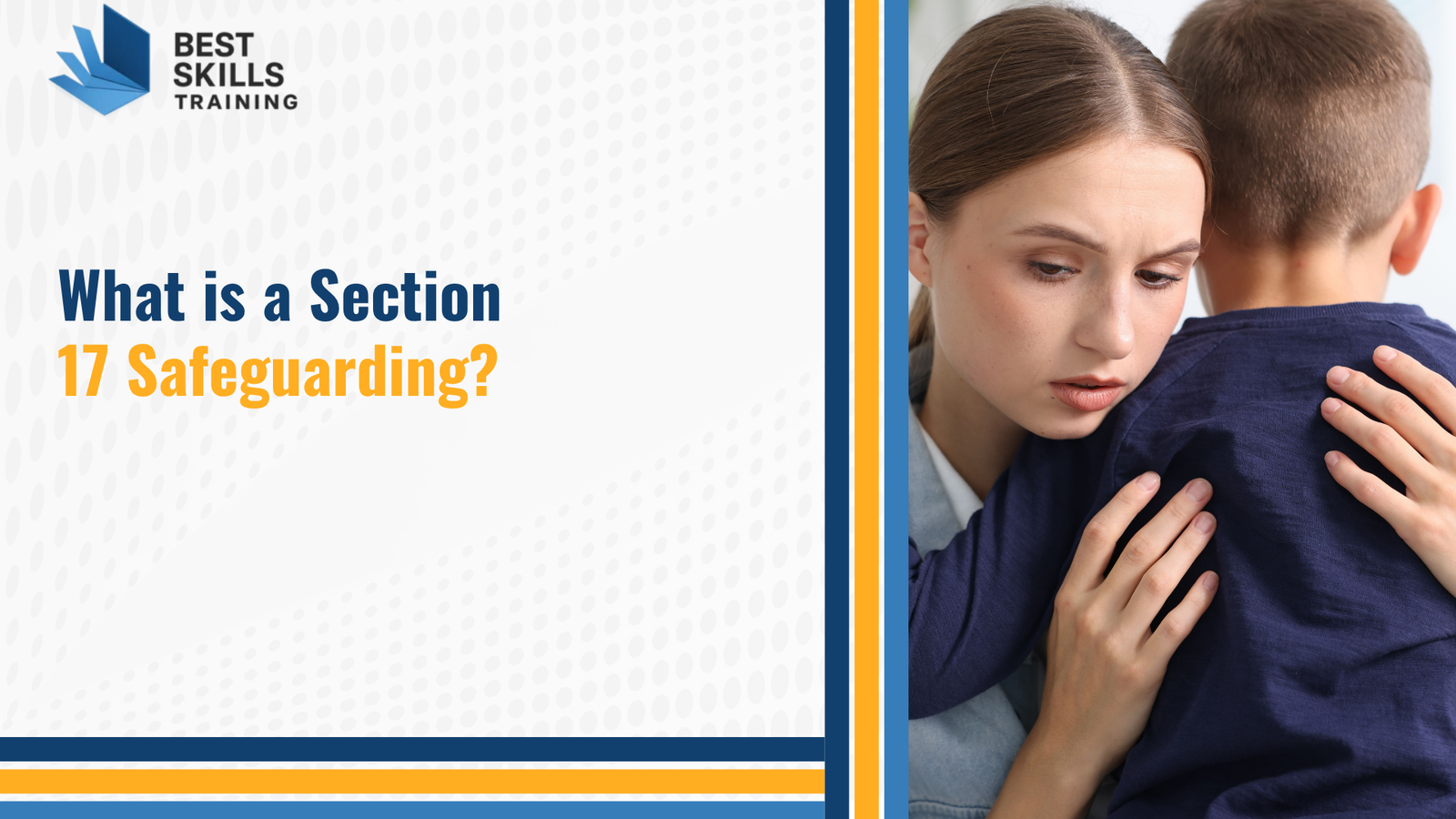
What is a Section 17 Safeguarding?
At its heart, what is a section 17 safeguarding comes down to one simple idea. Councils in England and Wales must protect children’s welfare in their areas. They must help children who are “in need.” They must try to help families stay together where it is safe. This is a caring duty, not a punishing one. It exists to help families before things get worse, not to break families apart.
Section 17 sits inside Part III of the Children Act 1989. This law changed how England and Wales think about children’s welfare. Councils do not have to wait until abuse is proven. Section 17 lets them step in early. They can offer parenting support. They can offer respite care. They can offer money help. They can offer other services that lower the risk before it grows. This early support fits a wider idea. Families should stay together whenever it is safe and right.
It is important to know that Section 17 is not a child protection probe. It does not mean a child is in danger. It does not carry the same weight as a Section 47 enquiry. Instead, it accepts that many children need extra help. This help might be needed due to a disability. It might be needed because of a family breakdown. It might be needed because of poverty, homelessness, or a parent’s illness. Meeting these needs early stops bigger problems later.
If you work in care, education, or health in the UK, this duty matters to you. It shapes how referrals happen. It shapes how staff judge risk. It shapes whether a family gets light support or a full assessment.

The Legal Basis: Section 17 of the Children Act 1989
The legal roots of this duty sit in Section 17(1) of the Children Act 1989. This law says councils have a general duty. They must protect the welfare of children in need. They must help those children grow up within their own families. This applies as long as it fits with keeping the child safe. Councils must offer a range of services that match each child’s needs.
This wording is broad on purpose. It gives councils room to respond to a wide range of family situations. It is not a strict checklist. The guidance, “Working Together to Safeguard Children,” builds on this law. It explains how councils, schools, health teams, and police should work together. It sets clear rules for sharing information. It sets clear time limits. It sets clear rules for working across teams.
Section 17 also links to other laws. The Children Act 2004 promoted stronger collaboration between agencies. Later changes made duties clearer for care leavers. They clarified the duties for homeless young people as well. Together, these laws build a picture. Safeguarding is not just about stopping harm. It is also about actively boosting a child’s wellbeing through daily, practical help.
Anyone studying social work will meet Section 17 early in their training. Anyone doing safeguarding training for a care role will meet it too. It sits at the heart of so much of what children’s services do each day. It turns the idea of “helping families” into a real, legal duty that councils must deliver.
What Does “Child in Need” Actually Mean?
The term “child in need” is defined in Section 17(10) of the Children Act 1989. It covers more than most people expect. A child is “in need” if they are unlikely to reach a decent level of health or growth without council help. A child is also “in need” if their health or growth would suffer a lot without support. Any disabled child counts as a child in need, too. This is a wide net, not a narrow box.
In real life, many things can make a child “in need.” A parent might struggle with mental health. A family might face homelessness. A child might have a disability that needs a special kit. Domestic abuse might sit in the home. A child might act as a young carer for a family member. None of these things means abuse is happening. But all of them can harm a child’s growth without the right support.
Health-Related Need
This covers a child whose physical or mental health would suffer without help. That help could be talking therapy. It could be a special medical kit. This shows that wellbeing needs more than safety from harm. It also needs the right support at the right time.

Developmental Need
This covers a child whose school, social, or emotional life is at risk. Councils can step in with parenting classes. They can offer mentors. They can build a family plan that fits that child’s own situation.
Disability
Under the Children Act 1989, any disabled child counts as “in need.” This is true no matter what else is going on at home. It shows how much extra support disabled children and their families often need.
Because this term is so wide, staff use judgment and clear guidance together. They use these tools to see if a case meets the “in need” line. This is why a full Child and Family Assessment matters so much.
Section 17 vs Section 47: Knowing the Difference
One of the biggest mix-ups is Section 17 versus Section 47 of the Children Act 1989. Yet knowing the gap between them is key to how children’s services work. Section 17 is about support. It helps children in need. Section 47 is about action. It starts a formal enquiry when a child may face, or already faces, serious harm.
Section 47 enquiries move faster. They are more formal. They often need instant safety plans. They may need strategy meetings between teams. In the worst cases, they may need emergency court orders. Section 17 support looks different. It is usually planned with the family. It looks at strengths as well as struggles. Its main goal is to prevent anything from ever reaching the Section 47 stage.
Purpose
Section 17 provides help and services that improve a child’s welfare and reduce risk over time. Section 47 exists only to check claims of serious harm. It decides fast if the child needs protection right now.
Process
A Section 17 assessment often leads to a Child in Need plan. The family agrees to this plan together with the social worker. A Section 47 enquiry can lead to a child protection meeting. It can lead to a formal plan. In the worst cases, it can lead to court action.
Tone and trust
Families usually choose to join in with Section 17 support. It feels voluntary. Section 47 enquiries carry legal weight. They can go ahead even without full parental agreement if a child is not safe.
Knowing this gap helps parents feel less scared about early contact with children’s services. Most families under Section 17 never face a Section 47 enquiry.
Who Can Request Section 17 Support?
Many kinds of people can ask for Section 17 support, not just staff. Parents can call their local council’s children’s services team independently. This is often the first step families take when times get hard. It might be because of illness. It might be because of homelessness. It might be because a child’s needs feel too big to manage on their own.
Referrals also come from schools, GPs, health visitors, midwives, housing teams, and police. They come from charities, too. These groups often spot families who are struggling. Teamwork sits at the core of “Working Together to Safeguard Children.” Staff should share worries early. They should not wait until problems grow too big to ignore.
Parents and Carers
Anyone with legal rights over a child can go straight to children’s services. They should share their true story. They can ask for a Child and Family Assessment. This is often the fastest way for a family to get help that fits their own life.
Young People
Older children and teens can ask for help on their own. This is true for 16 and 17-year-olds facing homelessness or family breakdown. Councils have clear duties to this age group under case law.
Professionals and Agencies
Teachers and health visitors often make referrals. They notice signs that a child’s welfare might be at risk. Most areas use a shared team called MASH for these referrals.
Whoever sends the referral must consider it. They must decide if an assessment fits under Section 17.
The Child and Family Assessment Process
Once a referral is received, the council usually conducts a Child and Family Assessment. This determines whether and how Section 17 support should be provided. The assessment looks at the whole picture. It looks at the child’s needs. It looks at the parents’ ability to meet those needs. It looks at wider family and home factors too, using a shared model used across England’s children’s services.
The process often starts with a social worker’s home visit. They talk with the child about where this fits. They gather facts from other teams, such as schools or health staff. They also ask the family what support would help most. Guidance sets clear time limits. Most assessments finish within 45 working days. Urgent cases move faster.
Gathering Information
Social workers gather information from many sources. This includes the family, schools, and health teams. This builds a full picture. It stops decisions relying on just one referral or one view.
Weighing Risk and Need
Staff balance good things, like a caring wider family, against hard things, like unstable housing or a parent’s illness. This helps them reach a fair, balanced view on what support fits.
Agreeing on a Plan
If support is agreed, a Child in Need plan sets it all out. It says what help comes, from whom, and how it will be checked. This gives families a clear record of what to expect.
This clear process keeps decisions fair. It keeps them based on facts. It keeps the child’s welfare at the centre of every step.
What Support Can Families Receive Under Section 17?
Support under Section 17 varies widely from family to family. The law is built to flex, not to follow one fixed list. Councils can give, arrange, or pay for services. These services should match the exact struggles found during the assessment. This can range from simple money help to deeper therapy-based support.
Common support includes advice for parents. It includes day care for young children. It includes respite breaks for families with a disabled child. It includes help in finding a suitable home. Sometimes it includes direct money help to stop sudden hardship. Councils may also pay for parenting classes. They may fund family group meetings. They may bring in charity partners who work beside council staff.
Practical and Money Help
This can be a one-off payment. It might stop a family from becoming homeless. It might cover urgent hardship. It might help with basic household items. It might help a family claim benefits they missed out on.
Family Support Services
Parenting classes, family group meetings, and mentoring build a parent’s confidence and skills. This often cuts stress at home. It often boosts outcomes for children over time.
Specialist Help for Disabled Children
This covers equipment, respite care, short breaks, and therapy checks. It ensures a disabled child’s additional needs are met. It reflects their automatic status as a “child in need” under the law.

The goal, always, is to make the family stronger. This reduces the risk that small worries will later grow into serious safeguarding concerns.
Section 17 and Homeless 16 and 17-Year-Olds
One key part of Section 17 law covers homeless 16 and 17-year-olds. A key court case, R (M) v London Borough of Hammersmith and Fulham, set clear duties for this age group. Knowing these rights matters a lot. It matters for care leavers. It matters for youth workers. It matters for housing staff across the UK.
When a 16 or 17-year-old turns up homeless, children’s services must act. Not just the general housing team. They must check if the young person is a “child in need” under Section 17. If they need a home, this can trigger duties under Section 20 of the same law. This can give the young person “looked after” status. That status brings extra rights, including support after they leave care.
Right to Assessment
Homeless 16 and 17-year-olds deserve a proper needs check. They should not be sent to standard homelessness services. Their welfare should count alongside their housing problem.
Housing Duties
Where needed, councils must consider providing a home under Section 20. This carries different legal weight. It carries different support rights than standard homeless housing routes.
Ongoing Support
Young people housed this way may qualify for leaving care support once they turn 18. This can include a personal adviser. It can include a life plan. It can include money help while they build an independent life.
This area shows how closely Section 17 safeguarding links to housing law. Strong, joined-up knowledge here is a must for professionals.
Roles and Responsibilities: Who Delivers Section 17 Duties?
Section 17 support is not down to social workers alone. It needs teamwork across many roles and agencies, all aiming for the same result. Knowing who does what helps families and staff navigate the system with greater trust and less confusion.
Social workers usually lead the assessment. They pull the whole plan together. But health visitors, school staff, housing officers, and charity workers all add key facts. Many of them also deliver parts of the agreed support directly. Local Safeguarding Partnerships, set up under the Children Act 2004, check how well these groups work together across each area.
Social Workers
They lead the assessment. They pull in facts from other teams. They remain the family’s main contact throughout the Section 17 process. They keep plans in step with changing family needs.
Health and Education Staff
Health visitors, GPs, and school staff often spot early warning signs. They share facts that help social workers build a clear, up-to-date picture of the child’s welfare.
Care Workers and Support Staff
Staff who work closely with families or disabled children carry out daily activities outlined in a Section 17 plan. This is why safeguarding training matters so much for identifying and reporting concerns correctly.
This shared model reflects a wider truth. Protecting and supporting children is everyone’s job, not just one team’s job.
Common Myths About Section 17 Safeguarding
Because Section 17 sounds close to child protection language, a few myths cause needless fear. These myths stop families from reaching out when they truly need help. Clearing them up helps more families feel safe enough to ask.
Myth: Contacting Children’s Services Under Section 17
This means your child will be taken away. In truth, Section 17 is a supportive, voluntary process most of the time. It aims to keep families together through real, practical help, not to split them apart.
Myth: Only Families in Crisis Qualify for Support
Many families receive Section 17 help for ongoing, steady struggles. This could be a child’s disability. It could be short-term money trouble. Help often starts long before any crisis hits.
Myth: Asking for Help Means You Have Failed as a Parent
Asking for help shows care for your child’s welfare. Staff are trained to talk with families without judging them as much as they can.
Clearing up these myths matters. Fear-driven delay can let manageable struggles grow into far more serious safeguarding concerns down the line.
How to Request Section 17 Support: A Step-by-Step Guide
Parents who feel unsure where to start can follow a fairly steady process. Most UK councils use this same basic path, even though exact contact points differ slightly between areas. Knowing these steps ahead of time can make the whole thing feel far less scary.
Level 5 DSL Training
Enrol Now
Contact Your Local Council’s Children’s Services or Mash Team
Every council runs a clear referral line or online form. This is the right first step for both parents and staff in raising a concern.
Share Your Situation Honestly
Providing clear, accurate details about what your family faces helps the council quickly assess urgency. It helps them quickly plan the right next step,y too.
Take Part in the Child and Family Assessment
A social worker will likely visit. They will ask questions with care. They may already be talking to other teams working with your family.
Agree on a Child in Need Plan if Support Is Offered
This document lists services, duties, and check-in dates. It gives your family a clear idea of what happens next and how progress gets tracked.
Keep in Touch Throughout
Regular talks with your assigned social worker help keep the plan matched to your family’s changing needs over time.
Following these steps helps families get help as smoothly as they can.
What Happens if You Disagree With a Decision?
Sometimes families do not agree with an assessment result. They may disagree that no help was offered. They may disagree with the type of help given. Luckily, clear complaint routes exist just for this. Families are never left with no way forward.
Every council must run a set children’s social care complaints process. This usually has three stages. First comes local talks. Second comes an independent check. Third, a panel review by an independent person. Families can also get free advice from advocacy services. These services help young people and parents share their views clearly through this whole process.
Stage One – Local Talks
Most worries are sorted out in a chat with the social worker or their manager. This often fixes mix-ups quickly without the need for a formal complaint.
Stage Two – Independent Check
If the issue remains unresolved, an independent officer reviews the case. They gather proof. They write a report with clear ideas for the council to think about.
Stage Three – Review Panel
A final independent panel looks at the complaint and the check’s findings. They give the council ideas to reply to in writing within a set time frame.
Families still unhappy can also turn to the Local Government and Social Care Ombudsman for an outside, independent look.
Section 17 Safeguarding and Professional Training Requirements
For anyone working in health, social care, education, or early years across the UK, Section 17 forms a core part of safeguarding training. Employers must ensure staff can spot when a child might meet the “in need” threshold. Staff must also know exactly how to make a good referral.
Training usually covers the legal side of the Children Act 1989. It bridges the gap between Sections 17 and 47. It covers local referral routes. It covers real skills, like spotting early warning signs and writing down worries clearly. Many care providers ask staff to refresh this training regularly to keep pace with updated rules.
Spotting Signs
Staff learn to notice unmet growth needs, a parent’s struggles, or gaps in support for a disability. These signs might point to a Section 17 referral rather than urgent protective steps.
Referral Routes
Training makes clear exactly how and where to raise worries locally. This helps staff act fast rather than freeze from doubt about the right process to follow.
Record Keeping
Clear, honest, and fast notes help later decisions. They help social workers build true assessments based on solid facts from many trusted sources.
This link between frontline training and legal duties shows why Section 17 knowledge reaches well past social work teams alone.
Real-Life Scenarios: Section 17 in Practice
Section 17 becomes clearer through real examples. Legal words alone rarely show what support truly looks like for real families across the UK. The scenarios below illustrate typical situations in which this duty arises.
A Single Parent Facing Eviction
A mother struggling with money after losing her job calls children’s services herself. She fears becoming homeless with two young kids. An assessment leads to housing advice. It leads to a small grant. It leads to a spot on a local family support scheme.
A Child With Autism Needing Respite Care
Parents caring for a child with complex needs feel worn out from non-stop care. They ask for an assessment. The council arranges regular respite care. It provides a special kit. This eases pressure on the whole family unit.
A Homeless 17-Year-Old Fleeing an Unstable Home
A teenager goes straight to the council after a family breakdown at home. Children’s services check him as a child in need. They arrange a suitable home. They give ongoing support under Section 20 rules.
These examples show how flexible, practical, and family-focused real Section 17 support tends to be day to day.
FAQ
1. What Is the Difference Between Section 17 and Section 47 of the Children Act 1989?
Section 17 provides support to children who are judged “in need.” Section 47 starts a formal check when serious harm is suspected. Section 17 is often voluntary and family-led. Section 47 involves urgent safety steps and can proceed without full parental agreement if a child is not safe.
2. Who Qualifies as a “Child in Need” Under Section 17?
A child qualifies if their health or growth would likely suffer without council help, or if they are disabled. This wide rule covers disability, family breakdown, homelessness, domestic abuse, and a parent’s illness. Many normal family struggles can meet this line.
3. Can a 16- or 17-Year-Old Ask for Section 17 Support Directly?
Yes. Homeless or at-risk 16 and 17-year-olds can go to children’s services on their own. They do not need a parent to ask for them. Councils must properly check these young people. This can lead to a home and support under Section 20 rules too.
4. What Happens if a Local Authority Refuses to Provide Section 17 Support?
Families can challenge the choice through the council’s set complaints process. This has local talks, an independent check, and a review panel with an outside member. If still unhappy, families can go to the Local Government and Social Care Ombudsman for an outside review.
5. What Are the 5 R’s of Safeguarding?
The 5 R’s are Recognise, Respond, Report, Record, and Refer. They sum up the steps staff follow when they spot a safeguarding worry. These steps guide how frontline staff spot children who might need Section 17 support. They make sure worries reach the right team fast.
Conclusion
In the end, understanding what is a section 17 safeguarding means seeing it as a caring, family-focused duty, not a punishing one. It exists to help children grow well within their own families, wherever it is safe to do so. It offers real help long before a crisis hits. This is true for parents who ask for help directly. It is true for staff who send referrals. It is true for homeless teens who claim their rights.
Section 17 remains one of the most important tools in UK children’s social care. Whether you are a parent, a student, or a care professional, knowing this duty helps make sure children and families get the right help at the right time.