



A small stitch today can stop a big tear tomorrow. That is the whole idea behind early help. Every day, teachers, health visitors, and social workers spot small warning signs. A child seems tired. A parent seems stressed. The question is always the same. What happens next?
The answer often lies in understanding what is early help in safeguarding. It means support given before a problem turns into a crisis. It is not one single service. It is a way of noticing, listening, and acting fast.
This guide walks you through the full picture. You will learn what early help means. You will learn why it matters and who can use it. You will also see how it works across England, Scotland, Wales, and Northern Ireland.
By the end, you will understand how early help protects children. You will see how it supports families and eases pressure on busy services. You will also find answers to the questions people ask most often about this part of safeguarding.
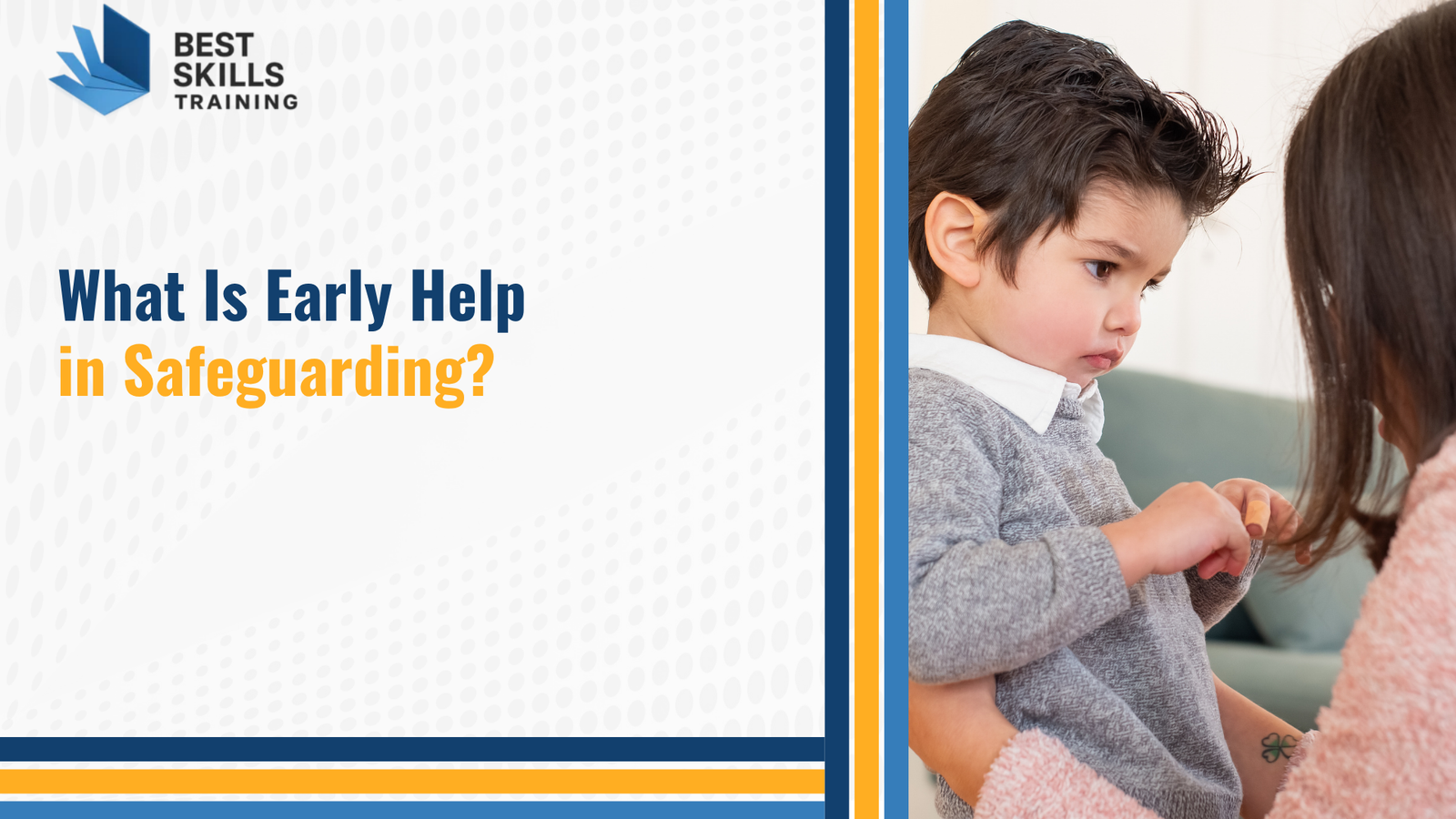
What Is Early Help in Safeguarding?
Early help in safeguarding means giving support as soon as a problem starts. Staff do not wait for a crisis. They act early. This support sits below the level of formal child protection work. Families who get this help do not meet the bar for a statutory step-in. But they still need extra support. This is what is early help in safeguarding really means: quick, fair action that fits the family.
Early help can reach anyone. It can support a baby, a child, a teenager, or a whole family. It is not tied to one age group. A family might need help because a parent feels low. Or because a child keeps missing school. Or because a teen shows early signs of risky choices. The support is built around the real need. It is not a fixed box that every family must fit into.
In most cases, early help is a choice. Families can say yes or no. Staff will always explain why the help could work. This choice is what makes early help different from formal child protection. In those cases, a council can act even without full parental agreement if a child faces a real risk. Early help works with a family. It does not work against them.
England uses the term early help most often. Scotland, Wales, and Northern Ireland use other names, such as early intervention or family support. The words change. The goal stays the same across the whole UK. Spot problems early. Act fast. Stop small worries from turning into safeguarding emergencies that harm a child.

Early Help Versus Early Intervention: Is There a Difference?
Many staff members use early help and early intervention interchangeably. In daily chat, that is often fine. But researchers do draw a line between the two terms. Knowing this line can help staff pick the right words and the right service for each family.
Early help, the term most commonly used in England, generally refers to open services. These are open to all children and families. No referral is needed. Think of children’s centres, open youth clubs, and health visiting. These services exist because early support helps the whole community. It is not just for families already flagged as at risk.
Early intervention tends to mean something more focused. It often points to targeted support that tackles a clear risk. This could be a parenting course. It could be a mentor for a teen showing early signs of trouble. It could be support after a family breakup. These services often need a referral or a short check first.
In real life, most areas mix both. A family might start with an open service, like a children’s centre. Later, they might move to a more targeted plan if their needs grow. Knowing both terms helps staff talk clearly with families. It also helps in team meetings when different agencies plan support together.
Why Is Early Help Important in Safeguarding?
Early help matters because timing shapes the outcome. When staff quickly spot a struggling family, they can provide support before harm occurs. Studies show that early help cuts the chance that a child will need formal child protection later. Waiting too long often lets problems grow roots. Roots that are much harder to pull out.
Groups like the NSPCC and the Early Intervention Foundation have studied this closely. Their work shows that early help can protect children from harm. It can lower the number of formal referrals. It can boost a child’s long-term outcomes at school and at home. It can help children build the skills and strength they need for adult life.
There is a money side too. Formal child protection services are expensive. They also stretch thin, busy teams even thinner. Every family helped early is one less family that needs a costly, stressful, formal step-in. Early help protects children. At the same time, it eases the load on council and health budgets that are already under strain.
Early help also builds a wider safety culture across the UK. When school staff, GPs, and youth workers feel sure about spotting the first signs of trouble, they build a net. That net catches problems before they spiral out of control. Every nation’s safeguarding rules rest on this shared duty. It only works if everyone knows their part.
Level 3 Safeguarding Children
Enrol Now
Who May Benefit From Early Help? Signs and Risk Factors
Spotting which families may need early help is a key skill for any professional. Some children face several pressures at once. This makes them more open to harm than their peers. Catching these signs fast can make a real, lasting change to a child’s safety over the months and years ahead.
Special Educational Needs or a Disability:
Children with extra needs often face more strain at home, at school, and with friends. Families may need clear, steady guidance to manage this strain well, without feeling cut off from support that could ease daily pressure on the whole household.
Young Carers:
Some children look after a parent or sibling. This can go far beyond what is appropriate for their age. It can hit their schoolwork, their friendships, and their mood. Early support helps balance caring duties with a normal, safe, and happy childhood that every child deserves.

Domestic Abuse, Drug or Alcohol Misuse, or a Parent’s Mental Illness:
Children who live with these pressures often feel scared or unsettled. Early help can link parents to the right services. At the same time, it can shield children from the daily strain building up at home.
Poor School Attendance or Exclusion:
Missing school often signals a deeper issue. The issue may lie at home or concern the child’s own well-being. Early help can tackle the root cause before the child falls far behind at school.
Housing Trouble or the Risk of Losing a Home:
Families facing eviction feel constant stress. This stress hits a child’s routine, schoolwork, and sense of safety. Early, practical, and emotional support matters greatly during this unsettled and often frightening time for parents and children alike.
Online Safety Worries or Harmful Online Content:
Children who meet unsafe online contacts, or see upsetting content, need fast support. This support builds their understanding of risk and their resilience. Online risks change fast, so staff must stay alert and act quickly when concerns arise.
Bullying:
Both the child being bullied and the child doing the bullying often need early support. Left alone, bullying can grow into deep emotional harm. In some cases, it can lead to more serious behaviour problems over time if nobody steps in.

Studies also show some children miss out on the early help they need. This includes some Black and mixed heritage boys. It includes babies born into care and teens already inside care proceedings. Staff must stay alert to these gaps. Early help must reach every child who needs it, not just those most visible to services.
The Early Help Process: How It Actually Works
Knowing what is early help in safeguarding also means knowing the steps staff follow. The process moves through three clear stages. First, staff spot the need. Next, they check what support would help. Then they deliver that support, working closely with the child and family throughout.
The first stage starts when a professional notices something feels off. This could be a teacher, a health visitor, or even a neighbour. This worry should always be written down. It should be shared with the organisation’s named child protection or early help lead. That lead uses local knowledge to work out what kind of support could genuinely help this family.
If the case looks like real abuse or neglect, the lead must switch straight to formal child protection steps. Early help only fits when a child is not at risk of serious harm right now. Getting this call right matters a lot. Staff often consult with other agencies before making a final decision on the best path forward.
Once staff agree early help is right, the lead speaks with the child and family directly. Many families can use open services right away. No formal referral is needed for a visit to a children’s centre or a school nurse. Others need a fuller check, often done with the family’s consent. This leads to a joined-up plan, built with input from several agencies.
Early Help Across the Four Nations of the UK
The core idea stays the same everywhere. But the way early help works in real life shifts between England, Scotland, Wales, and Northern Ireland. Local rules shape how families are spotted, checked, and helped. Staff working across these borders need to know these gaps to guide families the right way.
England
In England, local safeguarding partners set the early help path. This covers how families reach open services and community-based support. Where a case needs more, a child may get a Family Help check under section 17 of the Children Act 1989. This law covers children in need. A lead worker, such as a social worker or school nurse, runs the resulting plan.
Scotland
Scotland uses a plan called Getting It Right for Every Child (GIRFEC). This plan names a key worker, often called a named person. This person spots a child’s well-being needs. The named person role is not required by law. Each council and health board decides whether to offer it. Families choose whether to use it. This gives Scotland a slightly different balance of choice.
Wales
Wales runs early help through its Families First programme. This uses the Joint Assessment Framework for Families, or JAFF for short. Any worried professional can put a family forward for a check through this tool. It helps local teams work together. Together, they figure out a family’s needs and the best way to meet them across services.
Northern Ireland
Northern Ireland uses the Understanding the Needs of Children in Northern Ireland tool, known as UNOCINI. Any worried professional can use this tool. It checks a child and family’s strengths and needs. It gives health, education, and social care staff one shared way to talk. This helps them work as a team to support families before things get worse.
The Legal and Policy Framework Behind Early Help
Early help does not sit outside the law. Several laws and national rules shape how it runs across the UK. This gives staff a clear right to act. It also gives families a clear sense of their rights throughout the process. Knowing this framework helps staff explain choices with confidence to the families they work with.
In England, a guide called Working Together to Safeguard Children sets out how bodies should identify and support families who could benefit from early support. It sits next to the Children Act 1989. This law gives the legal ground to help children in need under section 17. This sits well before any child protection step under section 47 becomes needed.
Each UK nation has its own rules that match this idea. Scotland’s GIRFEC guidance, Wales’s Families First guidance, and Northern Ireland’s UNOCINI guidance all expect bodies to spot and address the needs of struggling families. The wording differs. But the core message stays the same. Fast, fair action protects children better than a slow, late response.
This legal base matters in a very real way. It gives staff the confidence to act. A teacher, health visitor, or youth worker is not stepping outside their job by raising a concern early. National rules expect it of them. This framework also tells families that early help is a real, structured part of the system. It is not some loose, unofficial add-on.
Roles and Responsibilities in Delivering Early Help
Early help works because many people play their part. No single service carries the whole load alone. Knowing who does what helps explain how the system holds up in practice. It also helps families know exactly who to turn to when times get hard.
Frontline staff spot the first signs. This includes teachers, GPs, health visitors, and youth workers. Their job is to watch, record, and share what they see the right way. They do not need to solve every problem alone. Spotting the early warning signs covered above is the first and most vital step in the whole process.
Named safeguarding leads within schools, nurseries, and other bodies lead the response once a concern is raised. They check if early help fits. They talk with other agencies. If needed, they push the case up to formal child protection steps. Their training helps them judge risk well. It also helps them keep families in the loop at every stage.
Lead workers take charge once a family agrees to a fuller early help plan. These are often social workers, school nurses, or special needs coordinators. They pull together input from several teams. They check progress often. They make sure the family’s voice remains central to every decision. This teamwork is what makes early help work well, not falling apart into separate pieces.
Early Help Versus Child Protection: Understanding the Difference
Staff and parents often mix up early help with formal child protection work. But the two sit at very different points on the safeguarding scale. Getting this clear matters a great deal. Getting it wrong could mean a child at risk waits too long for the real protection they need.
Early help is mostly a choice. It is fair and aims to stop things from getting worse. Families agree to take part. Support is shaped around a clear issue, such as parenting stress, housing trouble, or poor school attendance. No formal legal bar needs to be met. The whole process often feels like teamwork rather than an investigation.
Child protection steps start when a professional believes a child is being harmed, or is likely to be harmed, in a serious way. These steps run under legal duties, such as section 47 of the Children Act 1989 in England. They can proceed without full parental consent if a child’s safety requires immediate action. The bar for action sits much higher on purpose.
The two systems are closely linked; they are not fully separate. A family on early help support might later need a formal child protection step if things worsen. On the other hand, a family stepping down from child protection may still get early help. This helps lock in progress and prevents old problems from returning once formal checks end.

Common Barriers to Accessing Early Help and How to Overcome Them
Even when early help is available, families do not always find it easy to access. Knowing these barriers helps staff build better outreach. It also helps leaders allocate resources where they are needed most. This way, help reaches the families who would truly gain from it.
Fear of Judgement:
Many parents worry that asking for help means they have failed. They fear it will bring extra checks from social services. Building trust through calm, non-judging chats helps a lot. Staff should explain clearly that early help supports families, it does not punish them.
Not Knowing Help Exists:
Some families simply do not know what support is available nearby or how to reach it. Clear, easy-to-find facts from schools, GP surgeries, and local groups close this gap fast. Posters, leaflets, and word of mouth all play a real part in spreading the word.
Practical Hurdles, Such as Transport, Cost, or Language:
Even a willing family can struggle to attend a group or an appointment. Simple things get in the way. Home visits, translated papers, and evening slots all help clear these hurdles for a wider mix of families across every community.
Bad Past Experiences With Services:
A family with a hard experience of social care may not trust a new offer of help. This holds even when things have truly changed for the better. Steady, honest chat over time slowly rebuilds the trust that engagement needs to succeed.
Staff can beat many of these barriers by changing how they talk about early help. Instead of framing it as something done to a family, staff should frame it as something a family can ask for and expect. Words matter a great deal here. The term early help was chosen partly because it sounds less clinical and less scary than older, stiffer terms.
How Training Supports Effective Early Help Practice?
Confidence, not just goodwill, decides whether a professional acts on a concern fast. Studies on safeguarding show that staff who feel unsure often wait too long. That wait can cost a family the early support they need. This is why solid training plays such a big part in making early help work well on the ground.
Good safeguarding training teaches staff to spot the risk signs covered earlier in this guide. This runs from poor school attendance to signs of abuse at home. It also teaches the plain steps of writing up a concern well. It shows staff how to push it up to the right lead. And it shows when early help fits, rather than a formal referral straight away.
Training also builds softer skills that help with early needs. This covers how to start a hard chat with a parent. It covers how to explain support without sounding harsh or judging. It covers how to keep a child’s voice at the centre of every choice. These skills rarely come with ease. Most staff need regular top-up sessions to stay sharp.
More bodies across health, schools, and social care now invest in real, accredited training for their teams. This makes sure staff know today’s UK rules. This runs from Working Together to Safeguard Children in England to the matched frameworks used in Scotland, Wales, and Northern Ireland. It stops staff from leaning on old facts learned early in their careers.
Measuring the Impact and Success of Early Help
Knowing that early help works in theory is one thing. Bodies also need proof that it works in real life. Local councils and safeguarding teams track a set of signs. These signs show whether early help reaches families fast enough. They also show whether it brings a true, lasting gain in children’s lives.
Common checks include the number of families helped early, before they need a formal referral. Staff also track how fast support starts once a worry is raised. They check whether families who got early help later avoided a formal child protection step. A drop in repeat referrals is often seen as a strong sign that early help is working well in an area.
Feedback from children and families counts just as much as hard numbers. Many local areas now ask families for their views. Did the support feel fair? Did it tackle the right problem? Would they tell a friend to try it? This kind of feedback often shows up gaps that raw numbers alone would miss.
Ofsted checks in England, and matched bodies in the rest of the UK, look closely at how well an area runs early help. This sits inside wider checks on safeguarding. Inspectors want proof that staff spot the need fast. They want proof that supports the size of the problem. And they want proof that the line between early help and formal steps is drawn fairly, every time.
What Good Early Help Looks Like in Practice?
It helps to picture a real example. Think of a mum raising two children on her own. She loses her job. Money gets tight fast. Her eldest child starts missing school. A teacher notices and asks a gentle question. That small step is where early help begins.
The teacher does not jump to conclusions. She talks to the school’s named safeguarding lead. Together, they decide that the family may benefit from support rather than a formal referral. They reach out to the mum with care. They explain that help is there if she wants it.
The mum agrees to a chat with a family support worker. Together, they look at what would help most. Maybe it is a food bank link. Maybe it can help with a benefits claim. Maybe it is a place at a local children’s centre for the younger child. Each step fits the real need.
Within weeks, the family’s situation steadies. School attendance improves. The mum feels less alone. No formal child protection case was ever needed. This is early help working as it should. Small, timely steps. Clear, honest conversation. A family supported, not judged, through a hard patch in their lives.
This kind of story plays out across the UK every single day. It rarely makes headlines. But it is the quiet, steady work that keeps thousands of children safe and well. It shows exactly why understanding why early help in safeguarding matters so much for anyone working with families is important.
FAQ
1. What Is Early Help in Safeguarding, in Simple Terms?
Early help in safeguarding means giving support to a child or family as soon as trouble starts. It sits below the bar for formal child protection work. In most cases, it is a choice that puts the family’s own wishes first.
2. Who Can Refer a Family for Early Help?
Almost any professional working with children can raise a concern. This includes teachers, health visitors, GPs, and youth workers. In most areas, anyone worried, even a neighbour, can contact the local council or the family’s named safeguarding lead directly.
3. Is Early Help the Same as Social Services Getting Involved?
No. Early help often comes from a wide range of local services, not just social workers. Think of schools, health visitors, and community groups. It only turns formal if a family needs a joined-up check. It stays apart from full child protection steps throughout.
4. Does a Family Have to Accept Early Help?
Mostly, yes, families can say no since early help is a choice. Staff will explain the gains clearly and try to build trust over time. But they cannot force a family to participate unless the case becomes a formal child protection concern requiring legal action.
5. How Does Early Help Differ Across England, Scotland, Wales, and Northern Ireland?
England uses local Family Help rules under the Children Act 1989. Scotland uses the GIRFEC plan and its named person role. Wales uses the Families First plan and the JAFF tool. Northern Ireland uses UNOCINI. Each nation shares the same core goal, but the delivery and the words used shift by region.
6. What Happens if Early Help Is Not Enough?
If a child’s situation does not improve or a new risk arises, the lead worker will escalate the case to a formal child protection check. Early help and formal safeguarding steps work as one connected line. Families can move between them as their needs shift over time.
Conclusion
Grasping what is early help in safeguarding matters for anyone who works with children across the UK. It means support given before trouble turns into a crisis. It rests on fast spotting, honest chat, and true teamwork with families themselves.
From frontline staff who spot the first signs, to lead workers who run joined-up support, early help needs everyone to play their part with confidence and care at every single stage.
If you work with children, ask yourself this: Do you know how to spot the signs? Do you know who to call nearby? Building strong early help today protects children now. It also builds safer, stronger families for years to come.